
Towne Bank Building, 984 First Colonial Rd Ste 300 Virginia Beach, VA 23454
Gum Disease Treatment in Virginia Beach: How Your Treatment Plan Is Determined

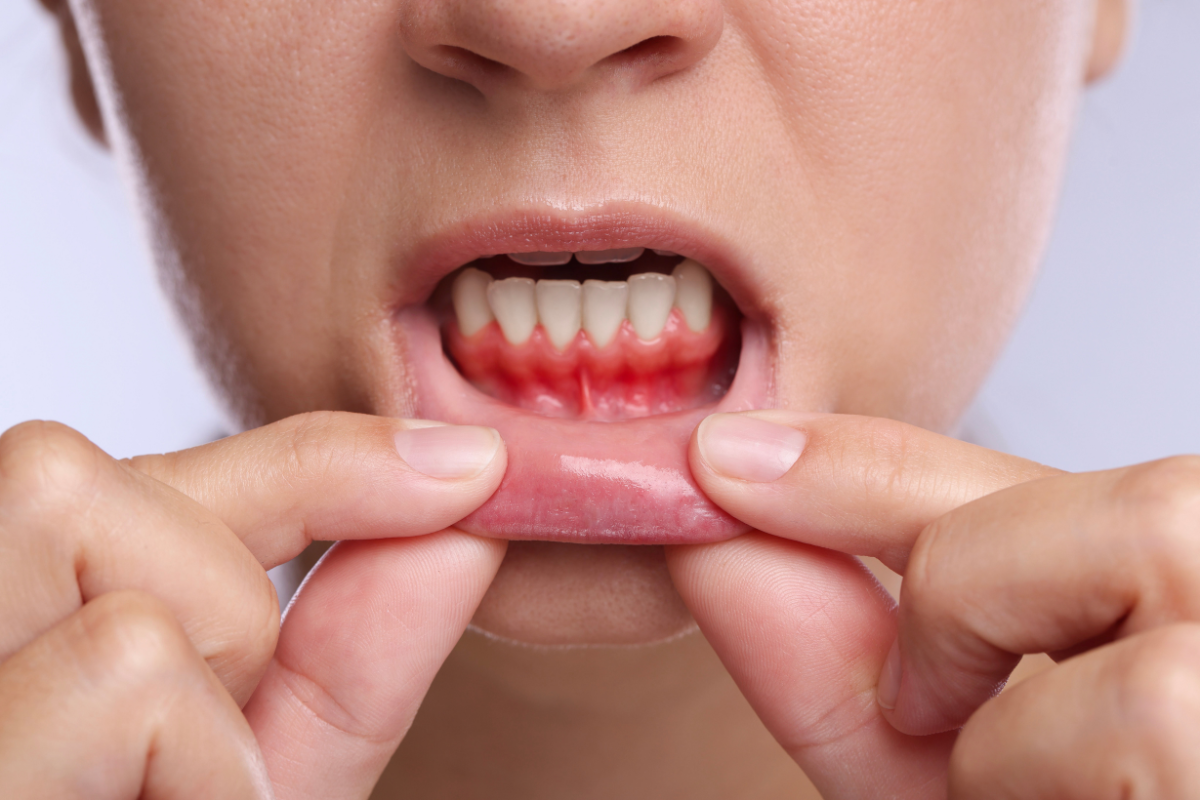
The right gum disease treatment in Virginia Beach depends on what is happening beneath the gumline—not simply how your gums look in the mirror.
Gum disease can range from early inflammation to advanced periodontitis involving the tissues and bone that support your teeth. Because every patient’s condition is different, treatment should begin with a careful evaluation rather than a one-size-fits-all procedure.
Understanding how that decision is made can help you feel more prepared when you visit a periodontist.
Treatment Starts With Finding the Extent of the Disease
One of the most important questions is how much periodontal damage is present.
A patient may notice bleeding while brushing but have relatively limited disease. Another patient may have little discomfort despite deeper periodontal pockets and bone loss.
During a periodontal evaluation, the dental team may assess:
- Gum pocket depths
- Bleeding and inflammation
- Gum recession
- Tooth mobility
- Bone levels visible on dental imaging
- Plaque and tartar accumulation
- Bite-related factors
- Existing dental restorations
- Relevant medical and medication history
These findings help determine whether the problem can be managed with nonsurgical periodontal therapy or whether more advanced treatment should be considered.
Early Gum Problems May Need a Different Approach Than Periodontitis
Gingivitis and periodontitis are not the same condition.
Gingivitis involves inflammation of the gums and can often improve when plaque is effectively removed and oral hygiene is improved. Periodontitis is more advanced and involves destruction of the tissues that support the teeth.
Once periodontal disease has caused loss of supporting bone or created deeper periodontal pockets, simply brushing harder at home is not an adequate treatment strategy.
That distinction is one reason professional evaluation matters. The treatment plan should match the stage and characteristics of the disease.
Scaling and Root Planing May Be Part of Treatment
For many patients with periodontal disease, scaling and root planing is an important nonsurgical treatment.
The procedure removes plaque and calculus from tooth surfaces, including areas below the gumline that are difficult to clean with ordinary brushing and flossing.
The goal is to reduce the bacterial burden and inflammation around the teeth and create healthier conditions for the gums to heal.
Tidewater Laser Perio and Implants lists scaling and root planing among its periodontal services and also provides ongoing periodontal maintenance after active treatment.
Your periodontist can determine whether this approach is appropriate based on your examination.
When More Advanced Treatment Is Needed
Some cases require more than nonsurgical periodontal therapy.
If infection and inflammation persist, or if there is significant periodontal damage, your periodontist may discuss surgical or regenerative options. The specific procedure depends on factors such as the location and depth of periodontal pockets, the amount and pattern of bone loss, gum recession, and the condition of individual teeth.
Treatment options may include:
- Periodontal pocket reduction procedures
- Traditional periodontal surgery
- Regenerative procedures
- Gum grafting
- LANAP laser periodontal therapy
- Periodontal maintenance following active treatment
The purpose is not simply to make the gums look healthier. Treatment is designed to control disease and preserve the structures that support your teeth whenever possible.
How Laser Periodontal Therapy Fits Into Treatment
Laser therapy is one option that may be considered for appropriate patients.
Tidewater Laser Perio and Implants offers LANAP, or Laser-Assisted New Attachment Procedure, as part of its periodontal treatment services. The practice describes LANAP as a minimally invasive laser protocol intended to treat periodontal infection while supporting healthier gum tissue and bone.
Laser treatment is not automatically the best choice for every patient. A responsible treatment recommendation should be based on the clinical findings and the patient’s individual circumstances.
That is why an examination comes before choosing the procedure.
Your General Health and Dental History Matter
Periodontal treatment planning is not limited to your gums.
Your medical history, medications, smoking or tobacco use, diabetes status, previous dental treatment, and other factors can affect periodontal health and healing. Your dental history also matters. Existing crowns, bridges, implants, missing teeth, or bite problems may influence how treatment is planned.
A complete medical and dental history gives the periodontal team a better understanding of your individual risk factors.
If you take medications that affect bleeding or healing, make sure your dental team knows about them before treatment.
What Patients in Virginia Beach Should Expect From Treatment
A periodontal appointment should give you a clear picture of what is happening and why a particular treatment is being recommended.
A typical process may include:
Step 1: Comprehensive Evaluation
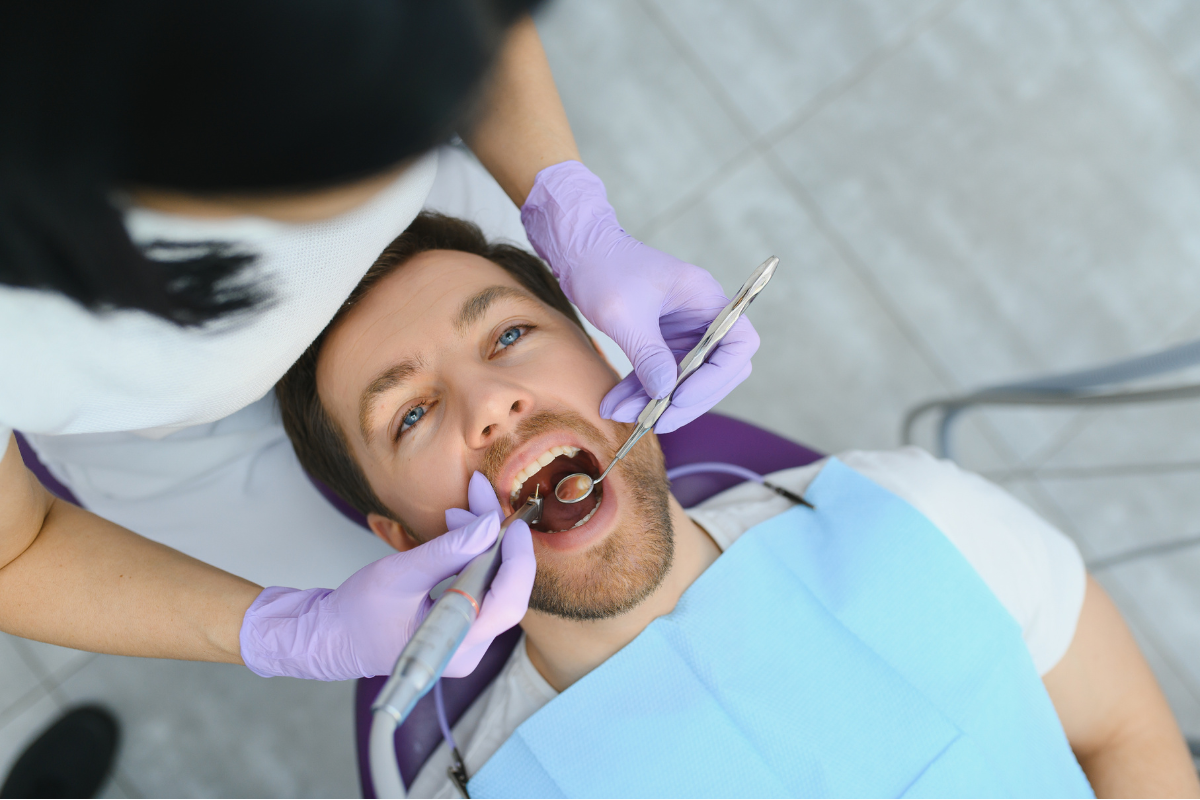
Your periodontist examines your gums, teeth, supporting tissues, and available diagnostic images.
Step 2: Diagnosis and Treatment Discussion
You learn what has been found, how advanced the condition appears to be, and which treatment options may be appropriate.
Step 3: Active Periodontal Treatment
Treatment is performed according to the specific needs identified during the evaluation.
Step 4: Healing and Reassessment
Your periodontal response is monitored to determine whether additional treatment is necessary.
Step 5: Long-Term Maintenance
Once active disease is under control, ongoing periodontal maintenance helps reduce the risk of recurrence.
This staged approach is particularly useful for patients who feel overwhelmed by the idea of periodontal treatment. You do not need to know every procedure before your first appointment. The evaluation is where the treatment plan begins.
Why Follow-Up Care Matters
Successful periodontal treatment does not mean you can forget about your gums.
Periodontal disease is a chronic condition that can require continuing professional care. Tidewater Laser Perio and Implants notes that the frequency of supportive periodontal care varies according to the patient’s periodontal condition, treatment response, plaque growth, and commitment to home care.
For a Virginia Beach patient, that may mean coordinating regular visits with both a general dentist and periodontist.
Your home routine matters, too. Consistent brushing, cleaning between the teeth, and following your periodontal team’s recommendations are important parts of protecting the results of treatment.
Choosing Gum Disease Treatment in Virginia Beach
If you have been told you have gum disease, you do not necessarily need to assume that surgery is the next step. Likewise, persistent periodontal problems should not be ignored simply because they are not painful.
The appropriate gum disease treatment in Virginia Beach starts with an accurate diagnosis and a plan tailored to the condition of your gums, teeth, and supporting bone.
Tidewater Laser Perio and Implants provides periodontal treatment in Virginia Beach, including nonsurgical periodontal therapy, periodontal maintenance, surgical procedures, gum grafting, and LANAP laser periodontal therapy.
If you have bleeding gums, gum recession, loose teeth, persistent bad breath, or have been referred for periodontal care, schedule an evaluation to find out what is happening and what options may be appropriate for you.
FAQs
What is the best treatment for gum disease?
There is no single best treatment for every patient. Treatment depends on whether the patient has gingivitis or periodontitis, the depth of periodontal pockets, the amount of bone loss, and other individual factors.
How is gum disease treated in Virginia Beach?
Depending on the diagnosis, treatment may include professional periodontal therapy, scaling and root planing, periodontal surgery, regenerative treatment, gum grafting, laser periodontal therapy, and ongoing periodontal maintenance.
Can gum disease be treated without surgery?
Some cases can be managed with nonsurgical periodontal treatment. More advanced disease may require additional procedures. A periodontal examination is necessary to determine the appropriate approach.
How long does gum disease treatment take?
Treatment time varies considerably. It depends on the severity of periodontal disease, the treatment selected, the number of affected areas, and how the gums respond during healing and follow-up.
Can gum disease come back after treatment?
Yes. Periodontal disease can recur if bacterial buildup and other risk factors are not controlled. Regular periodontal maintenance and consistent home care are important for protecting long-term gum health.

We’re Here to Help!
Call us with any questions or to request an appointment.
