
Towne Bank Building, 984 First Colonial Rd Ste 300 Virginia Beach, VA 23454
Implants Dentist: How to Prepare for Your First Dental Implant Consultation

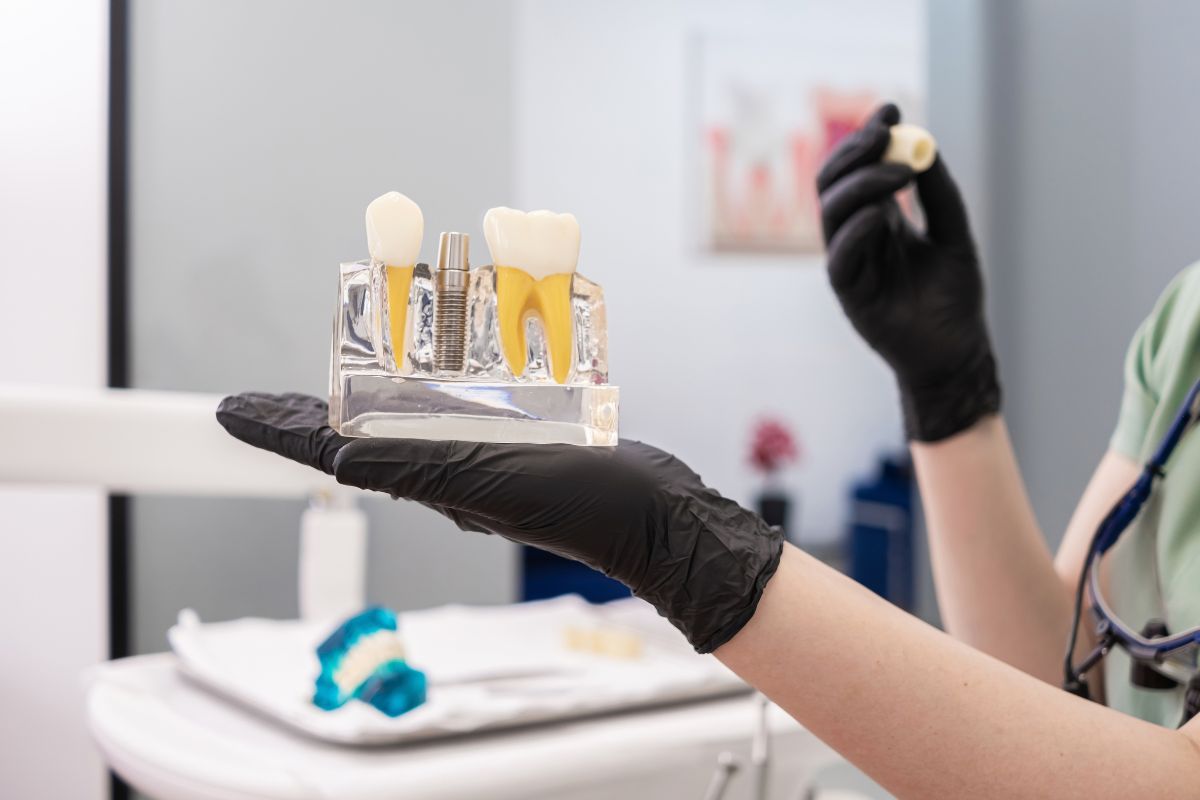
If you have been living with a missing tooth or struggling with an uncomfortable denture, scheduling an implant consultation can be a meaningful first step. It can also raise questions. What records should you bring? Will you need X-rays? How do you know whether an implant is the right option?
A visit to an implants dentist should give you a clearer understanding of your oral health, available treatment options, and the steps involved in replacing missing teeth.
Preparing ahead of time can help you use the appointment well, especially if you have a history of gum disease, previous dental surgery, or medical conditions that could affect healing.
What Happens at a Dental Implant Consultation?
An implant consultation is more than a discussion about replacing a tooth. It is an opportunity to evaluate whether the proposed treatment is appropriate for your mouth.
At Tidewater Laser Perio & Implants in Virginia Beach, a new-patient evaluation may include a review of your medical and dental history, examination of the gums and remaining teeth, assessment of the bite, and evaluation of bone support.
Your clinician may recommend dental imaging to understand the available bone and the location of nearby anatomical structures. Additional testing depends on your individual needs.
The consultation should help clarify the diagnosis, possible treatment options, and whether any preparation is needed before implant placement.
What Should You Bring to Your Appointment?
A little preparation can prevent unnecessary delays and help your dental team understand your situation.
1. A List of Your Medications
Bring an up-to-date list of prescription medications, over-the-counter products, and supplements. Include the dose and frequency when possible.
Some medications and medical conditions can affect surgical planning or healing. Do not stop or change a prescribed medication on your own before dental treatment.
2. Relevant Medical Information
Tell your provider about medical conditions, allergies, previous surgeries, and any history of complications with anesthesia or healing.
If you have diabetes, cardiovascular conditions, immune-related concerns, or other significant health issues, accurate information helps your team determine whether special precautions or coordination with your physician are appropriate.
3. Previous Dental Records and Imaging
If your general dentist has recent X-rays or other relevant records, ask whether they can be sent to the implant provider before your appointment.
Existing records may be useful, although additional imaging may still be needed for implant planning. Your provider will determine which diagnostic information is suitable for your case.
4. Your Dental Insurance Information
Bring your insurance details if you want the office to help you understand potential benefits. Coverage varies by plan, and dental implant procedures may have specific limitations or exclusions.
Ask for a written estimate that distinguishes the anticipated surgical fees from the cost of the final crown, bridge, or denture when applicable.
Which Questions Should You Ask?
You do not need to know every dental term before your consultation. Focus on questions that help you understand your diagnosis and make an informed decision.
Consider asking:
- Why is an implant recommended for my situation?
- What alternatives should I consider?
- Do I have enough healthy bone?
- Is periodontal treatment needed before surgery?
- Will I need an extraction or bone graft?
- Who will provide the final restoration?
- How long might treatment take?
- What are the main risks in my case?
- How will I clean and maintain the implant?
- What costs are included in the estimate?
A good consultation should leave you with clear answers and a chance to consider your options without feeling pressured to make an immediate decision.
Why Does Gum Health Matter Before Implant Surgery?
Dental implants rely on the health of the surrounding tissues. If periodontal disease is active, your clinician may recommend treating it before proceeding.
Gum disease can damage the bone that supports natural teeth, and inflammation can also develop around dental implants. A history of periodontal disease may influence your long-term maintenance needs.
Your provider may examine the gums, measure periodontal pockets, and assess areas of inflammation or bone loss. If treatment is needed, the implant plan may begin with stabilizing your periodontal health.
This is particularly relevant for patients who have lost teeth because of advanced gum disease.
Will You Need Bone Grafting?
Not every implant patient requires a bone graft. The decision depends on the amount and quality of available bone, the location of the missing tooth, and the position needed for the planned restoration.
If the bone is insufficient, your clinician may discuss ridge augmentation, socket preservation, or another grafting procedure. In selected cases, grafting can be performed at the time of extraction or implant placement; in others, a separate healing period is necessary.
Ask why a graft is recommended, what it is expected to accomplish, and how it may affect your timeline and costs.
How Should You Prepare If You Are Nervous?
It is normal to feel uncertain about dental surgery, particularly if you have had an uncomfortable experience in the past.
Tell the office about your concerns before the procedure is scheduled. Ask what comfort options are available, how the procedure will be performed, and what you can expect during recovery.
Sedation and anesthesia options depend on the procedure, your medical history, and the clinician’s recommendations. Do not assume that every option is suitable for every patient.
You can also ask whether a family member or friend should accompany you, particularly if sedation is planned.
How Do You Know If the Treatment Plan Makes Sense?
An appropriate plan should connect your diagnosis to the recommended procedure. It should explain the expected benefits, limitations, risks, alternatives, healing requirements, and follow-up care.
Be cautious of guarantees about results or promises that every patient can receive implants immediately. Immediate placement or temporary teeth may be possible in selected cases, but they depend on clinical findings.
You should also understand who is responsible for each stage of treatment. Implant surgery and the final restoration may be coordinated between a periodontist, general dentist, prosthodontist, or other dental professionals.
If the recommendation is complex or you remain uncertain, seeking a second opinion can be reasonable.
What Happens After the Consultation?
Depending on your needs, the next step may be scheduling implant placement, arranging additional imaging, treating gum disease, planning a bone graft, or discussing an alternative restoration.
You should leave knowing what happens next and whom to contact with questions.
Tidewater Laser Perio & Implants has provided periodontal and implant care in the Tidewater area since 1994. The Virginia Beach practice offers dental implants and supporting procedures such as bone grafting and periodontal treatment.
For patients considering an implant, the goal of the first visit is to understand the situation—not to rush into a procedure.
Make Your First Visit Count
Choosing an implants dentist begins with finding a clinician who will explain your options, evaluate your oral health carefully, and provide a treatment plan tailored to your needs.
Bring your medical information, gather relevant dental records, and write down your questions before the appointment. These simple steps can make the conversation more productive.
If you are considering dental implant treatment in Virginia Beach, contact Tidewater Laser Perio & Implants to request a consultation and discuss your tooth-replacement options.
FAQs
What should I bring to a dental implant consultation?
Bring your medication list, relevant medical history, insurance information, and any available dental records or recent imaging. The office can tell you if additional documents are needed.
Will an implants dentist take X-rays at the first visit?
Your provider will determine whether existing images are sufficient or whether additional imaging is necessary. Three-dimensional imaging may be recommended when more detailed assessment of the jawbone and nearby structures is needed.
Can I get dental implants if I have gum disease?
Possibly, but active periodontal disease may need to be treated and stabilized first. Your provider will assess your gum health and discuss the appropriate sequence of care.
Should I ask about the total cost of dental implants?
Yes. Ask for an estimate that explains which procedures and restorations are included, whether bone grafting or extractions may be needed, and what follow-up care may cost. Insurance coverage varies.
How do I know whether I need a second opinion?
A second opinion can help if the treatment is complex, you do not understand the recommendation, or you want to compare reasonable alternatives before proceeding.

Related Articles
We’re Here to Help!
Call us with any questions or to request an appointment.
