
Towne Bank Building, 984 First Colonial Rd Ste 300 Virginia Beach, VA 23454
All on Four Implants: How to Adjust to Your New Teeth After Treatment

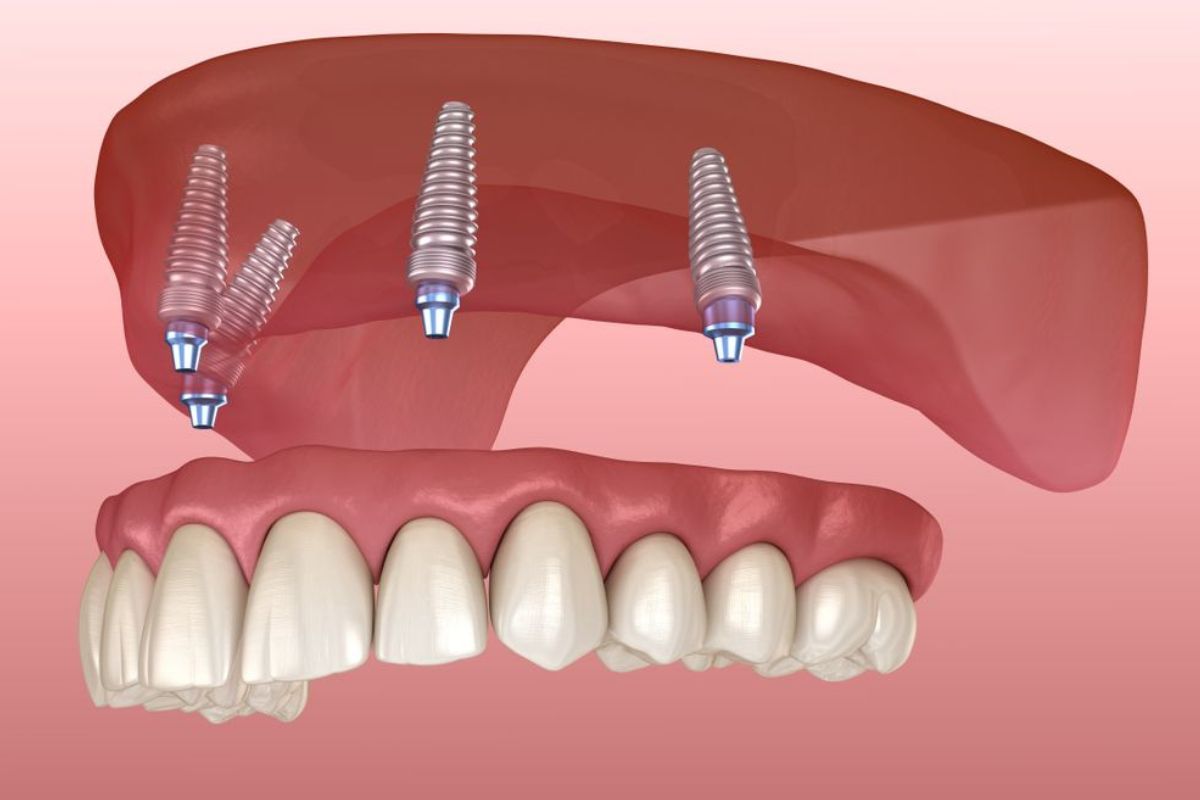
Getting new teeth can bring relief, excitement, and plenty of questions. Patients who choose full-arch implant treatment often want to know what everyday life will look like after surgery: What can I eat? How do I clean beneath the bridge? When can I return to my normal routine?
All on four implants can support a fixed set of replacement teeth in appropriate patients, but the transition takes patience. Your implants need time to integrate with the jawbone, and your temporary or final restoration may require changes to your eating habits and cleaning routine.
If you are considering treatment in Virginia Beach, understanding the adjustment period can help you prepare for recovery and protect your investment.
Why the Adjustment Period Matters
All-on-4 treatment uses four strategically positioned implants to support a full arch of replacement teeth. In suitable cases, a temporary restoration may be attached soon after surgery, allowing the patient to leave with teeth rather than wait without a replacement.
However, having teeth in place does not mean the implants have finished healing. The bone needs time to integrate with the implants, and your care team may restrict chewing forces during this period.
Following those instructions is a key part of protecting the treatment.
What Can You Eat After All-on-Four Surgery?
Your diet will depend on your procedure and the instructions provided by your surgeon. Many patients need to follow a soft-food diet initially and gradually advance as healing allows.
Early Recovery: Choose Foods That Require Minimal Chewing
Depending on your instructions, suitable choices may include:
- Smooth soups that are not too hot.
- Scrambled eggs.
- Yogurt without hard mix-ins.
- Mashed potatoes or other soft vegetables.
- Oatmeal cooled to a comfortable temperature.
- Soft fish or tender foods when your care team permits them.
Avoid hard, crunchy, sticky, or chewy foods until your clinician says they are safe. Nuts, hard crusts, raw carrots, ice, and chewy candy may place unnecessary stress on the restoration.
Why You Shouldn’t Rush Back to Your Favorite Foods
It can be tempting to test your new teeth as soon as they feel comfortable. But discomfort is not the only indicator of healing, and the absence of pain does not mean the implants are ready for unrestricted chewing.
Follow your clinician’s diet instructions even if you feel well. If you are unsure whether a particular food is appropriate, ask before trying it.
How Long Does It Take to Feel Comfortable?
There is no single adjustment timeline. Some patients adapt to speaking and eating with a new restoration relatively quickly, while others need more time to get used to its shape, bite, or sensation.
During healing, your dental team will monitor the implants and the restoration. The temporary bridge may need adjustments, and the final restoration may be placed after sufficient healing and clinical assessment.
Keep your follow-up appointments even when everything seems to be progressing smoothly.
Can Your Speech Change After Treatment?
Yes. Changes in tooth shape and the way the tongue contacts the teeth can temporarily affect speech. Certain sounds may feel unfamiliar when you first receive a new full-arch restoration.
Reading aloud, speaking at a comfortable pace, and practicing everyday conversations may help you adapt. If speech changes persist or the restoration feels bulky or unstable, contact your dental provider rather than attempting to adjust it yourself.
How Do You Clean All on Four Implants?
Daily cleaning is essential because plaque can accumulate around implants and beneath a fixed bridge. The restoration’s design determines which cleaning tools will work best.
Your provider may recommend:
- A soft-bristled toothbrush.
- Specialized floss or a floss threader.
- Interdental brushes sized for your restoration.
- A water flosser when appropriate.
- A specific technique for cleaning beneath the bridge.
Ask your dental team to demonstrate the process. A quick demonstration can help you avoid missing areas that are difficult to see in the mirror.
What If You Cannot Reach Beneath the Bridge?
Do not assume that an inaccessible area is clean simply because you brush the visible teeth. Tell your dental team where you are having difficulty. They can review your technique and recommend a tool that fits the restoration.
Professional maintenance also allows your provider to evaluate the surrounding tissues and address concerns that home care alone may not resolve.
Which Symptoms Should You Report?
Mild swelling and tenderness may occur after surgery, but you should follow your personalized post-operative instructions and contact the practice if symptoms concern you.
Call your dental provider if you experience:
- Increasing rather than improving pain.
- Persistent or worsening swelling.
- Fever or drainage.
- Bleeding that concerns you.
- A change in your bite.
- A loose or damaged restoration.
- Difficulty following the prescribed cleaning routine.
Seek urgent medical care for severe symptoms such as trouble breathing or swallowing. Do not wait for a routine appointment if you believe you are experiencing an emergency.
How Can You Protect Your Restoration Long Term?
Once healing is complete, your goal shifts from protecting the surgical sites to maintaining healthy tissues and a functional restoration.
Keep Up With Professional Maintenance
Regular visits help your dental professional monitor the gums, supporting bone when indicated, and the condition of the restoration. The recommended schedule depends on your periodontal history, home-care routine, and individual risk factors.
Patients with a history of gum disease may need closer monitoring.
Avoid Habits That Damage Teeth
Do not use your replacement teeth to open packages, crack hard objects, or chew ice. Excessive force can damage the prosthesis even when the underlying implants remain integrated with the bone.
If you grind or clench your teeth, tell your provider. Your bite and restoration design may need special consideration.
Keep Your Dental Team Updated About Your Health
Smoking, certain medical conditions, and changes in medication may affect healing or the health of the tissues surrounding implants. Share relevant updates with your provider and ask whether your maintenance plan needs to change.
What If Something Feels Different Months Later?
A change in comfort, bite, or stability deserves attention even if it does not hurt. The cause may involve the restoration, the connection between components, the bite, or the tissues surrounding an implant.
Do not try to tighten or repair the restoration yourself. A professional examination can help identify the cause and determine the appropriate next step.
Tidewater Laser Perio & Implants provides implant and periodontal care in Virginia Beach, including treatment for certain conditions affecting implants. Early assessment may help address a problem before it progresses.
Make Recovery Part of Your Treatment Plan
A successful transition to all on four implants involves more than receiving replacement teeth. It includes following diet instructions, allowing time for healing, learning a reliable cleaning routine, and attending ongoing professional appointments.
If you are exploring full-arch treatment in Virginia Beach or have questions about maintaining an existing implant restoration, Tidewater Laser Perio & Implants can help you understand the options available for your situation.
Schedule a consultation to discuss treatment planning, recovery expectations, and the daily care your new teeth may require.
FAQs
How long should I eat soft foods after All-on-4 surgery?
The appropriate duration depends on your surgery, implant stability, and restoration. Follow the diet instructions provided by your surgeon rather than relying on a general timeline.
Can I brush All-on-Four replacement teeth?
Yes, but the technique and tools should be appropriate for your restoration and stage of healing. Your dental team will explain how to clean safely around the implants.
Can All-on-Four implants become loose?
A restoration or an implant can develop a problem. Any looseness, bite change, or unusual movement should be assessed promptly by a dental professional.
Do All-on-Four implants require regular dental visits?
Yes. Professional monitoring helps assess the surrounding tissues, implant health, and condition of the restoration.
What should I do if my new teeth feel uncomfortable?
Contact your treating dental professional if discomfort persists, worsens, or affects your bite. Do not attempt to adjust the restoration yourself.

Related Articles
We’re Here to Help!
Call us with any questions or to request an appointment.
