
Towne Bank Building, 984 First Colonial Rd Ste 300 Virginia Beach, VA 23454
Dental Implants Virginia Beach: 7 Factors That Can Affect Your Candidacy

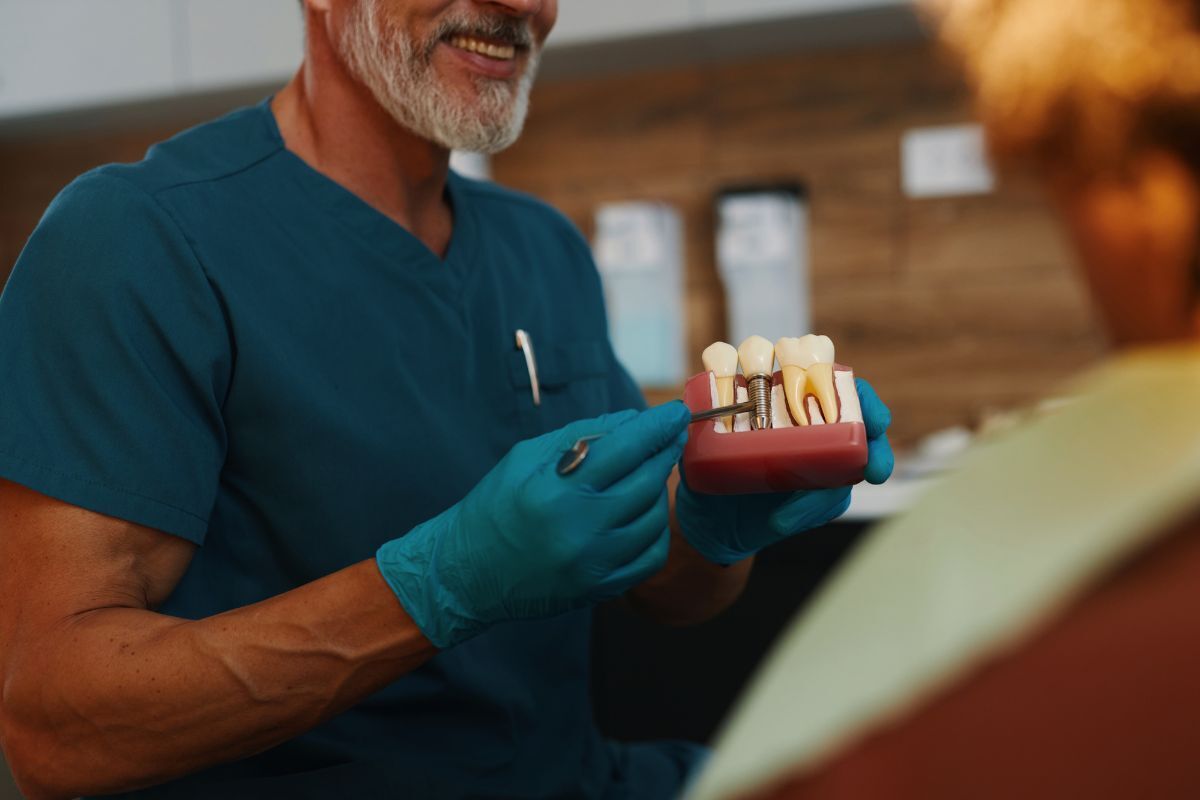
A missing tooth can create an obvious gap, but the decision to replace it involves more than appearance. Dental implants must be supported by healthy tissue and adequate bone, and your overall health and habits can influence how well treatment progresses.
If you are researching dental implants in Virginia Beach, understanding what affects candidacy can help you have a more productive conversation with your dental professional.
Being told that you need to improve your oral health before implant treatment does not necessarily mean implants are off the table. In many cases, preparation is part of creating a healthier foundation for treatment.
1. The Condition of Your Gums
Healthy gum tissue is one of the foundations of successful implant treatment.
Periodontal disease can damage the bone and tissues that support teeth. Because implants also depend on surrounding gum and bone tissue, active periodontal infection needs to be addressed rather than ignored.
The American Academy of Periodontology recommends evaluating gum health and bone support when determining whether a patient is an appropriate implant candidate.
This is particularly relevant for patients who lost teeth because of advanced gum disease.
Why This Matters After Implant Placement
Dental implants can develop inflammation too.
Peri-implant mucositis affects the soft tissue around an implant, while peri-implantitis involves inflammation accompanied by supporting bone loss. Previous periodontal disease, smoking, diabetes, and inadequate plaque control can increase risk.
For that reason, implant planning should include a strategy for keeping the surrounding tissues healthy after treatment.
2. The Amount of Available Jawbone
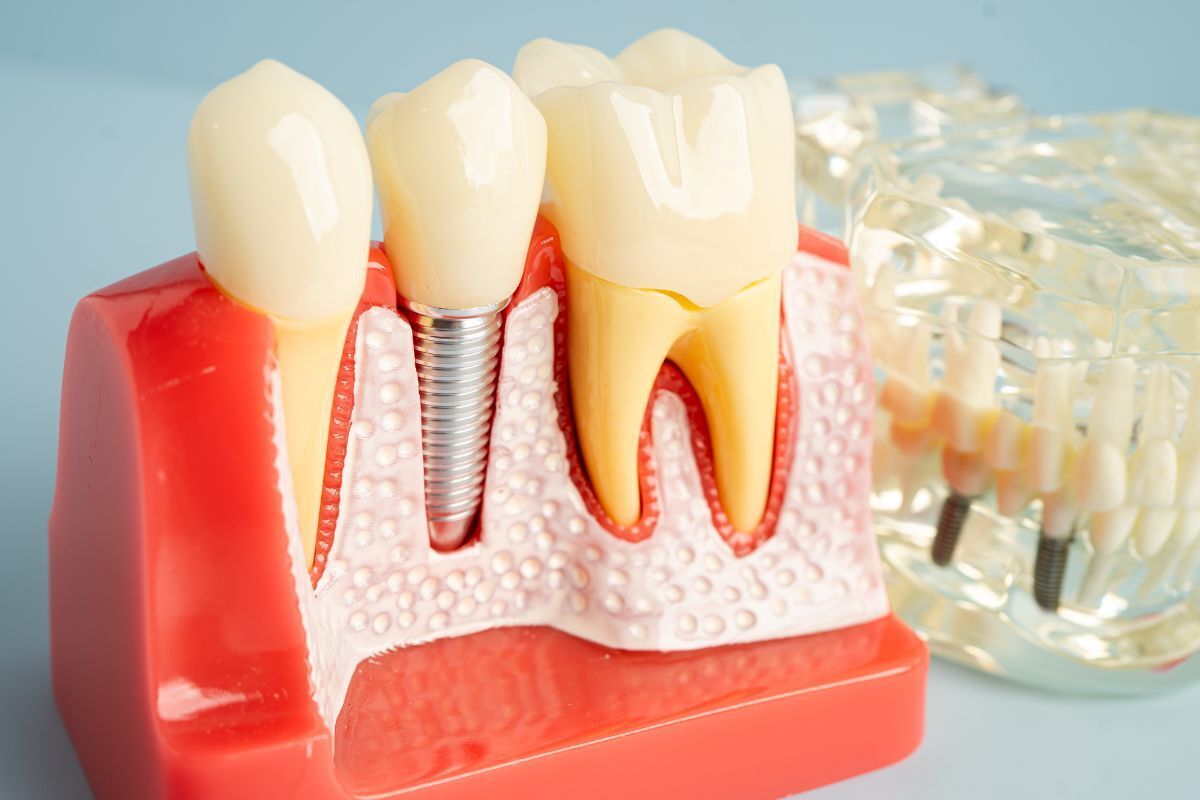
An implant needs a stable foundation.
After a tooth is lost, the jawbone can gradually shrink in the area that previously supported the tooth root. Patients who have experienced long-term tooth loss may therefore have less bone available for implant placement.
A dental evaluation can determine whether the available bone is sufficient.
What If There Isn’t Enough Bone?
Bone grafting can sometimes rebuild areas where bone has been lost.
Depending on the location, treatment may include ridge augmentation, guided bone regeneration, or sinus augmentation. The American Academy of Periodontology notes that sinus augmentation may be used when insufficient bone exists in the upper back jaw.
This can add time to treatment, but building the right foundation may be preferable to compromising implant position.
3. Your General Health
Your mouth does not heal separately from the rest of your body.
Certain medical conditions can affect healing or alter the risks associated with oral surgery. The ADA notes that patients considering implants should receive a comprehensive examination and discuss treatment options based on their individual diagnosis and health circumstances.
That does not mean a medical condition automatically prevents implant treatment.
Instead, your dental team may need to understand:
- Your current medications
- Existing medical conditions
- Your healing history
- Any previous dental complications
- Whether medical clearance is appropriate
Honest communication about your health gives your provider the information needed to plan responsibly.
4. Tobacco Use
Smoking is one of the factors that deserves a straightforward conversation before implant treatment.
Tobacco can interfere with healing, and smoking is also recognized as a risk factor for peri-implant disease.
If you smoke, do not assume you must simply give up on implants.
Instead, ask your dental team what changes are recommended before surgery and how tobacco use could affect your individual treatment plan.
The goal is to improve the conditions around the implant—not to judge your habits.
5. Your Oral Hygiene Routine
An implant may replace a missing tooth, but it does not eliminate the need for daily oral hygiene.
Bacteria can collect around implants just as they collect around natural teeth. The AAP recommends regular brushing, flossing, and professional follow-up to help maintain implant health.
Patients should be prepared to make implant maintenance part of their normal routine.
Depending on your restoration, cleaning may involve:
- A soft-bristled toothbrush
- Dental floss
- Implant-specific flossing tools
- Interdental brushes
- Water flossers when recommended
- Professional periodontal maintenance
Your exact routine should be tailored to your restoration.
6. Your Bite and Remaining Teeth
Replacing one tooth does not happen in isolation.
Your dentist or periodontist may evaluate how your teeth come together, where the missing tooth is located, and whether neighboring teeth or existing restorations are healthy.
For example, if you are missing a molar, the amount of chewing pressure in that area may be very different from the forces affecting a front tooth.
The condition of surrounding teeth also matters when determining whether an implant, bridge, or another treatment option makes the most sense.
7. Your Expectations
A successful implant is not simply one that looks good on the day it is placed.
Patients should understand the entire process, including healing, restoration, maintenance, and potential complications.
Dental implants can be a long-term tooth-replacement option, but they are not maintenance-free. Even the restoration attached to an implant may eventually require repair or replacement.
A good treatment plan therefore considers what will happen years after surgery—not just what happens during the procedure.
What Happens During an Implant Evaluation?
An implant evaluation typically begins with a comprehensive examination.
Your provider may assess your gums, remaining teeth, bite, jawbone, and medical history. Imaging may also be used to evaluate the bone and anatomy relevant to implant placement.
Three-dimensional imaging such as cone-beam CT can provide detailed information about the jawbone, nerves, and surrounding structures.
The result should be a treatment plan based on your anatomy rather than a generic implant formula.
What If You’re Not Ready for an Implant Yet?
Sometimes the best implant plan begins with another treatment.
You may first need:
- Periodontal treatment
- Tooth extraction
- Bone grafting
- Gum treatment
- Improved oral hygiene
- A period of healing
Tidewater Laser Perio & Implants offers periodontal and implant services in Virginia Beach, including dental implants, bone grafting, gum disease treatment, gum grafting, and laser periodontal therapy.
Addressing these issues first can help create a healthier environment for future implant treatment.
Dental Implants Should Be Planned, Not Rushed
If you are considering dental implants in Virginia Beach, the most useful question is not simply, “Can I get an implant?”
A better question is, “What does my mouth need for an implant to have the best possible foundation?”
A thorough evaluation can identify gum disease, bone loss, bite concerns, medical considerations, and other factors that could influence your treatment.
Tidewater Laser Perio & Implants provides periodontal and implant care at its Virginia Beach office on First Colonial Road. If you are considering replacing a missing tooth, schedule an evaluation to discuss your options.
FAQs
How do I know if I am a candidate for dental implants?
Candidacy depends on factors such as gum health, jawbone support, general health, tobacco use, oral hygiene, and your specific tooth-replacement needs.
Can gum disease prevent dental implants?
Active periodontal disease can complicate implant treatment. Your provider may recommend treating the gum disease and stabilizing your oral health before implant placement.
Can you get dental implants with bone loss?
Potentially. Bone grafting or other procedures may be used to improve the amount of available bone before implant placement.
Does smoking affect dental implants?
Yes. Smoking can interfere with healing and is associated with increased risk for peri-implant disease. Your provider can discuss cessation or reduction recommendations specific to your treatment.
Are dental implants permanent?
Implants can provide a very long-term solution and may last a lifetime with appropriate care, although the restoration attached to the implant may eventually require repair or replacement.

We’re Here to Help!
Call us with any questions or to request an appointment.
