Towne Bank Building, 984 First Colonial Rd Ste 300 Virginia Beach, VA 23454
Virginia Beach Dental Implants: How to Protect Your Investment for the Long Term

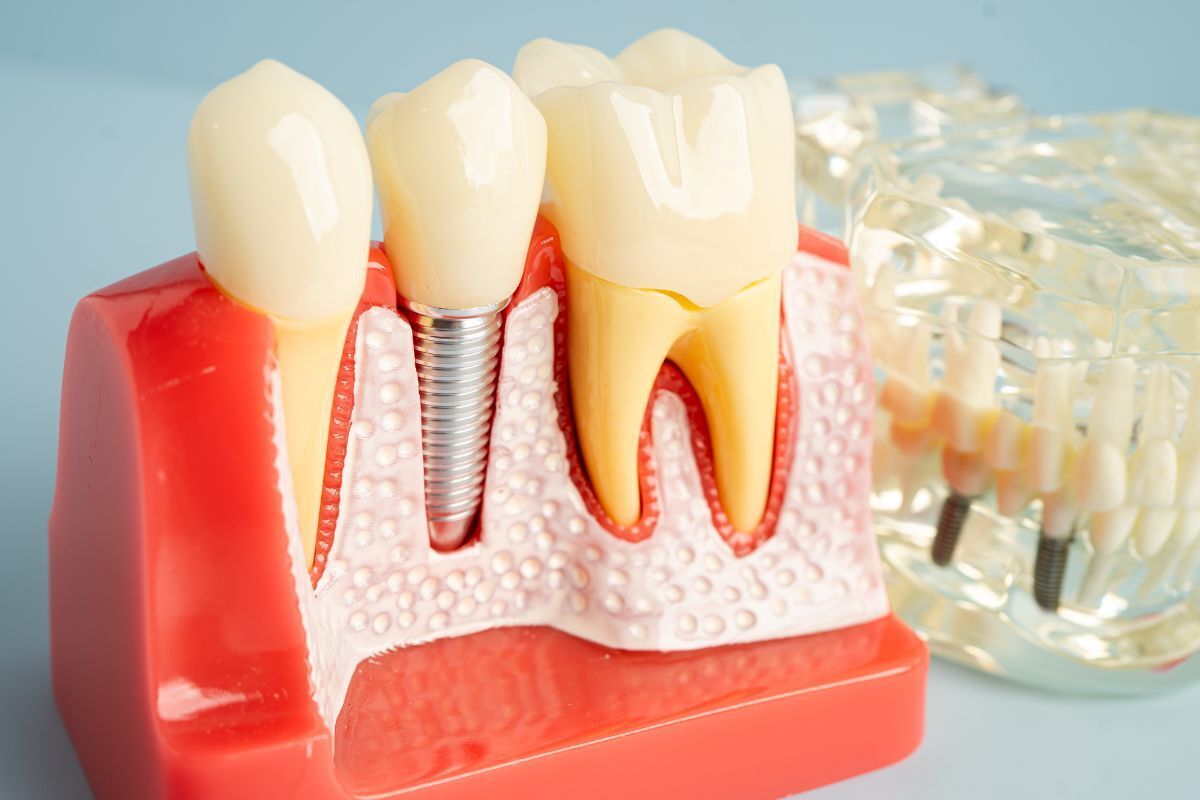
Getting dental implants in Virginia Beach can restore the function and appearance of missing teeth, but the treatment does not end when the final crown or implant-supported restoration is placed.
Your implants still need daily care and professional monitoring.
That may sound surprising. After all, implants are artificial tooth roots. But the gums and bone surrounding an implant are living tissues, and those tissues can develop inflammation or disease.
The good news is that many of the habits that protect natural teeth also help protect implants.
Dental Implants Are Not Maintenance-Free
A dental implant replaces the root portion of a missing tooth and supports a replacement crown, bridge, or denture.
Once integrated with the jawbone, an implant can function much like a natural tooth. However, the tissues surrounding it can still be affected by plaque and inflammation.
The American Academy of Periodontology recommends regular brushing, flossing, and professional follow-up for patients with dental implants.
Think of implant care as protecting the foundation underneath your replacement tooth.
1. Keep Plaque Under Control
Daily plaque removal is one of the simplest things you can do for your implants.
Your cleaning routine may include:
- Brushing twice daily
- Cleaning between teeth every day
- Using implant-specific cleaning aids when recommended
- Following the instructions provided for your particular restoration
Patients with bridges or full-arch restorations may need different techniques than patients with a single implant crown.
Do not assume that the same flossing method works for everyone.
Why Cleaning Around an Implant Matters
Bacteria can collect around the gumline and beneath implant restorations.
Peri-implant mucositis is inflammation limited to the soft tissues around an implant. If inflammation progresses and bone begins to deteriorate, the condition is known as peri-implantitis.
Early attention is important because implant-related problems can become more difficult to manage when supporting bone is lost.
2. Keep Your Periodontal Appointments
Professional maintenance is not simply a routine cleaning.
Your dental professional can monitor the condition of the tissues around your implant and look for changes that may not be obvious at home.
The frequency of visits depends on your individual risk factors, oral hygiene, periodontal history, and type of restoration.
Patients with a history of gum disease may require closer monitoring because previous periodontal disease is associated with increased risk of peri-implant disease.
3. Don’t Ignore Bleeding or Tenderness
A little bleeding around an implant should not automatically be dismissed.
Contact your dental provider if you notice:
- Bleeding around the implant
- Persistent redness
- Swelling
- Tenderness
- Pus or drainage
- A change in how the implant restoration feels
- Increasing looseness
- Difficulty chewing
These symptoms do not automatically mean that an implant has failed.
They do mean that the area deserves professional evaluation.
4. Protect Your Gums, Not Just Your Implant
The implant itself is only part of the system.
Healthy gum tissue creates an important seal around the implant and helps protect the underlying supporting structures.
This is one reason periodontal expertise matters when maintaining implants.
Tidewater Laser Perio & Implants provides periodontal care in addition to implant treatment, including periodontal maintenance, scaling and root planing, gum disease treatment, and laser periodontal therapy.
5. Be Honest About Smoking
If you smoke, talk with your dental professional about how tobacco use could affect your implants.
Smoking is associated with an increased risk of peri-implant disease and can interfere with healing.
Even if you have already received implants, discussing tobacco use remains worthwhile.
Your dental team can help you understand the risks and identify steps that may improve your long-term oral health.
6. Manage Health Conditions Carefully
Your general health can influence oral health and healing.
For example, diabetes is recognized as a risk factor associated with peri-implant disease.
That does not mean patients with diabetes cannot have implants.
It means your dental team should know about relevant health conditions and medications so your treatment and maintenance plan can be appropriately tailored.
Keep your dentist or periodontist updated when your medications or medical conditions change.
7. Watch What You Bite
Once your implant has fully healed and your final restoration is in place, your dental professional can advise you on normal eating and function.
However, habits such as chewing ice, biting hard objects, or using your teeth as tools can damage dental restorations.
The implant may be firmly integrated into the bone, but the crown, bridge, or denture attached to it is still a manufactured restoration.
If something feels different when you bite, do not simply wait for it to become painful.
8. Understand That the Restoration and Implant Are Different
One common misconception is that an implant and the visible replacement tooth are the same thing.
They are not.
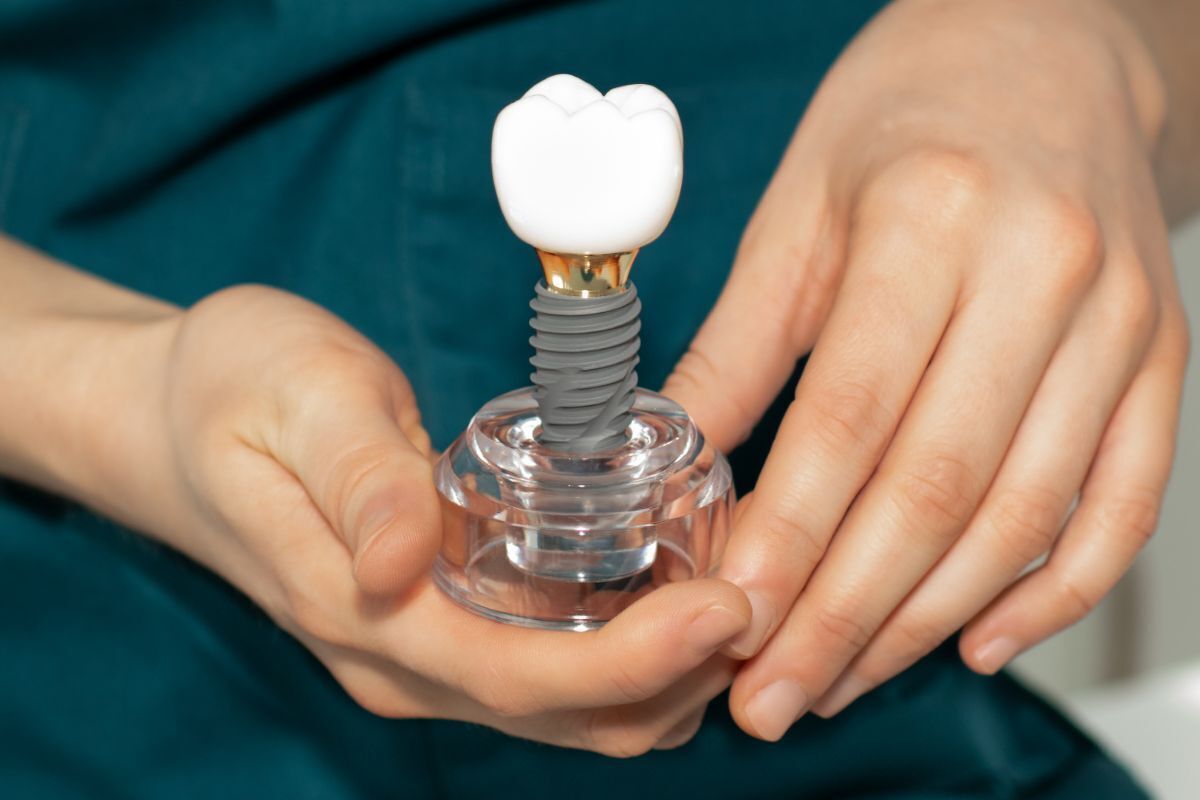
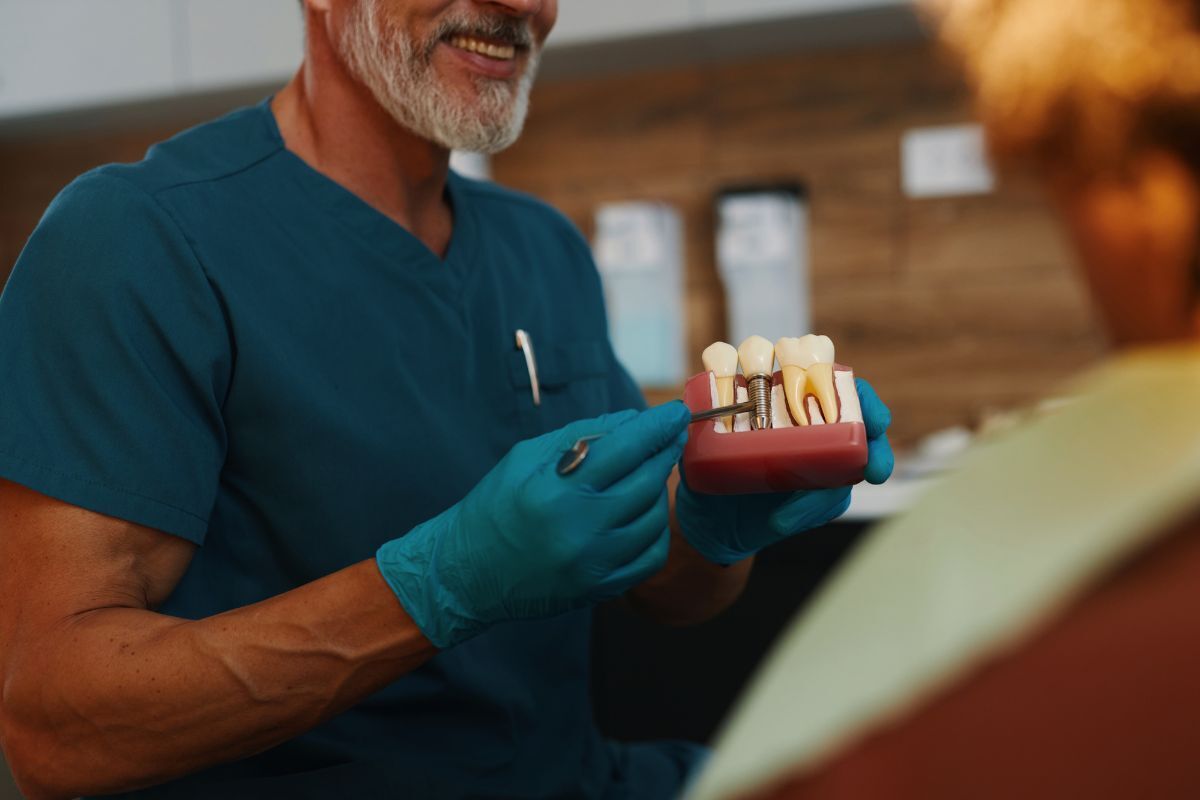
A typical implant system includes the implant itself, an abutment or connector, and the visible restoration.
These components can have different maintenance and replacement timelines.
The implant may remain healthy for many years while the restoration eventually needs repair or replacement due to normal wear.
That does not necessarily mean the implant has failed.
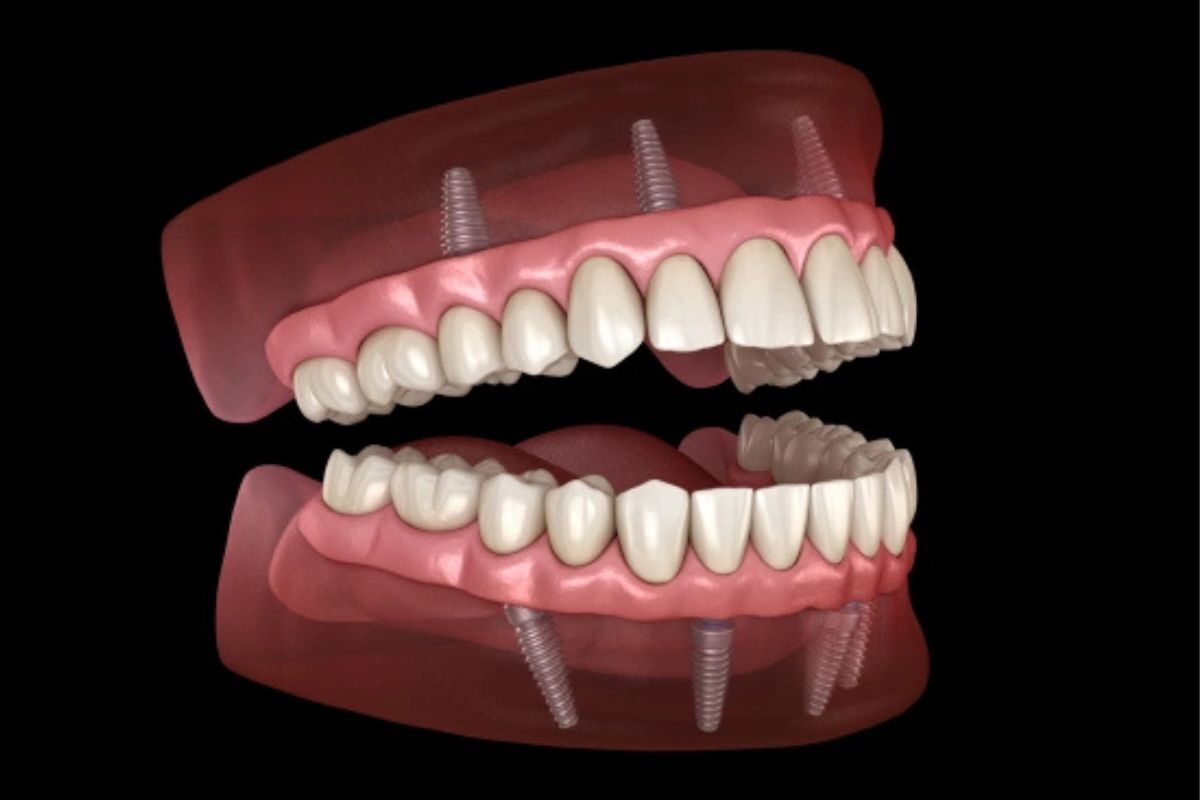
What About Full-Arch Dental Implants?
Patients with full-arch implant restorations have additional cleaning considerations.
Depending on the design, there may be areas beneath the restoration that require special cleaning tools.
For example, Tidewater Laser Perio & Implants offers fixed and removable full-mouth implant-supported options, including overdentures and screw-retained restorations.
Your provider should demonstrate exactly how to clean around and beneath your restoration.
If you cannot comfortably access an area, ask for help rather than assuming it does not need to be cleaned.
What Happens If an Implant Develops an Infection?
Do not automatically assume that the only solution is implant removal.
The appropriate treatment depends on what is happening around the implant and how much supporting tissue has been affected.
Tidewater Laser Perio & Implants offers LAPIP® laser treatment for peri-implant disease. The practice describes LAPIP as a minimally invasive approach intended to address infection around failing implants while helping preserve the implant and supporting bone in appropriate cases.
Early evaluation is still preferable to waiting until symptoms become severe.
A Long-Term Approach Makes Sense
Dental implants can provide a long-lasting solution for missing teeth, but their longevity depends on more than the surgical placement itself.
A strong maintenance plan combines:
- Daily home care
- Regular professional evaluations
- Periodontal monitoring
- Healthy lifestyle choices
- Attention to warning signs
- Proper care of the final restoration
The American Academy of Periodontology emphasizes ongoing oral hygiene and professional monitoring to help protect dental implants and surrounding tissues.
Protect Your Dental Implants
If you have dental implants, do not wait for pain before paying attention to their health.
Routine maintenance gives your dental team an opportunity to identify inflammation, changes in the gums, or other concerns before they become more serious.
Tidewater Laser Perio & Implants combines periodontal and implant care in its Virginia Beach office and serves patients throughout Hampton Roads.
If you already have implants or are considering implant treatment, schedule an appointment to discuss the best maintenance approach for your individual needs.
FAQs
How often should dental implants be professionally checked?
The appropriate interval depends on your periodontal health, implant history, restoration, hygiene, and individual risk factors. Your dental professional can recommend a personalized maintenance schedule.
Can dental implants get gum disease?
Natural teeth can develop periodontal disease, while implants can develop peri-implant diseases. These conditions involve inflammation around the implant and, in peri-implantitis, supporting bone loss.
What are signs of an implant problem?
Bleeding, redness, swelling, tenderness, drainage, changes in the bite, or a loose restoration should be evaluated by a dental professional.
Can a failing dental implant be saved?
Sometimes. Treatment depends on the cause and severity of the problem. Early evaluation may allow the provider to address inflammation or infection before more supporting tissue is lost.
Do dental implants need to be flossed?
Yes. Implants and implant-supported restorations require daily cleaning. Your provider can demonstrate the best flossing or interdental-cleaning method for your specific restoration.
We’re Here to Help!
Call us with any questions or to request an appointment.
