
Towne Bank Building, 984 First Colonial Rd Ste 300 Virginia Beach, VA 23454
Implants Dentist Virginia Beach: 9 Questions to Ask Before Treatment

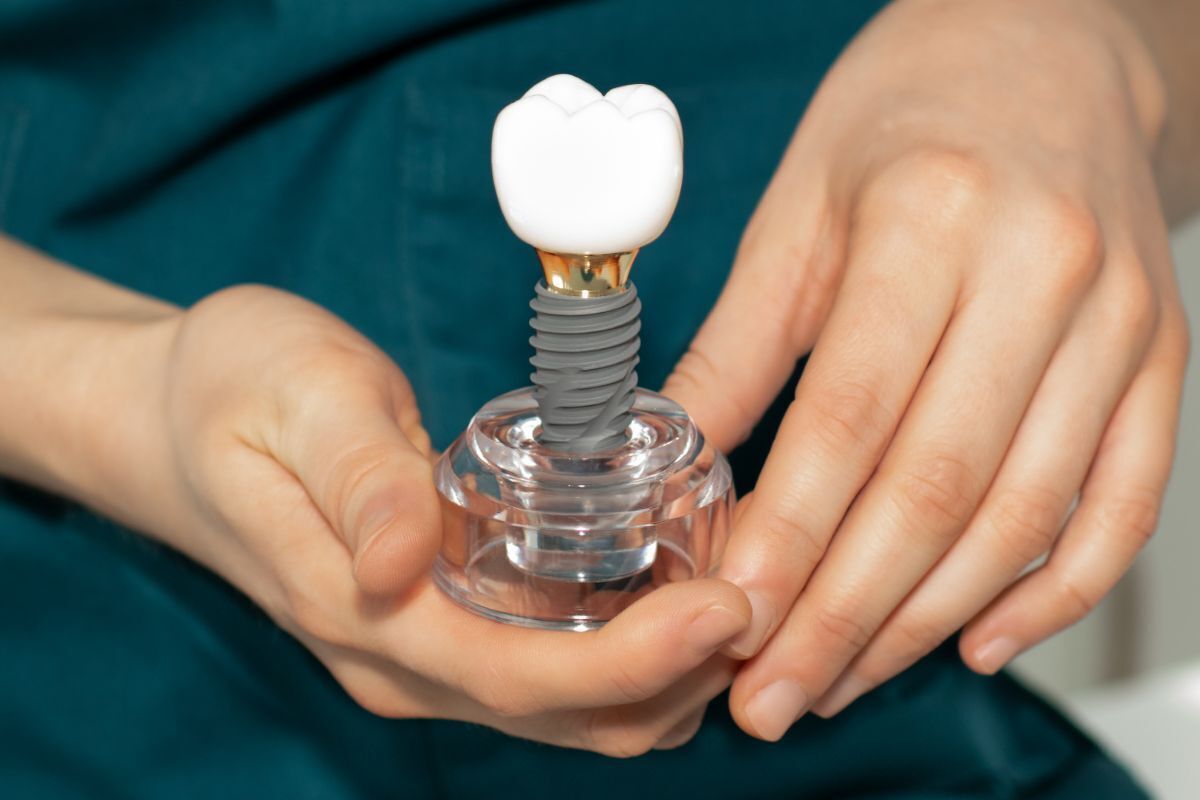
Choosing an implants dentist in Virginia Beach is about more than comparing procedure prices or searching for the closest office.
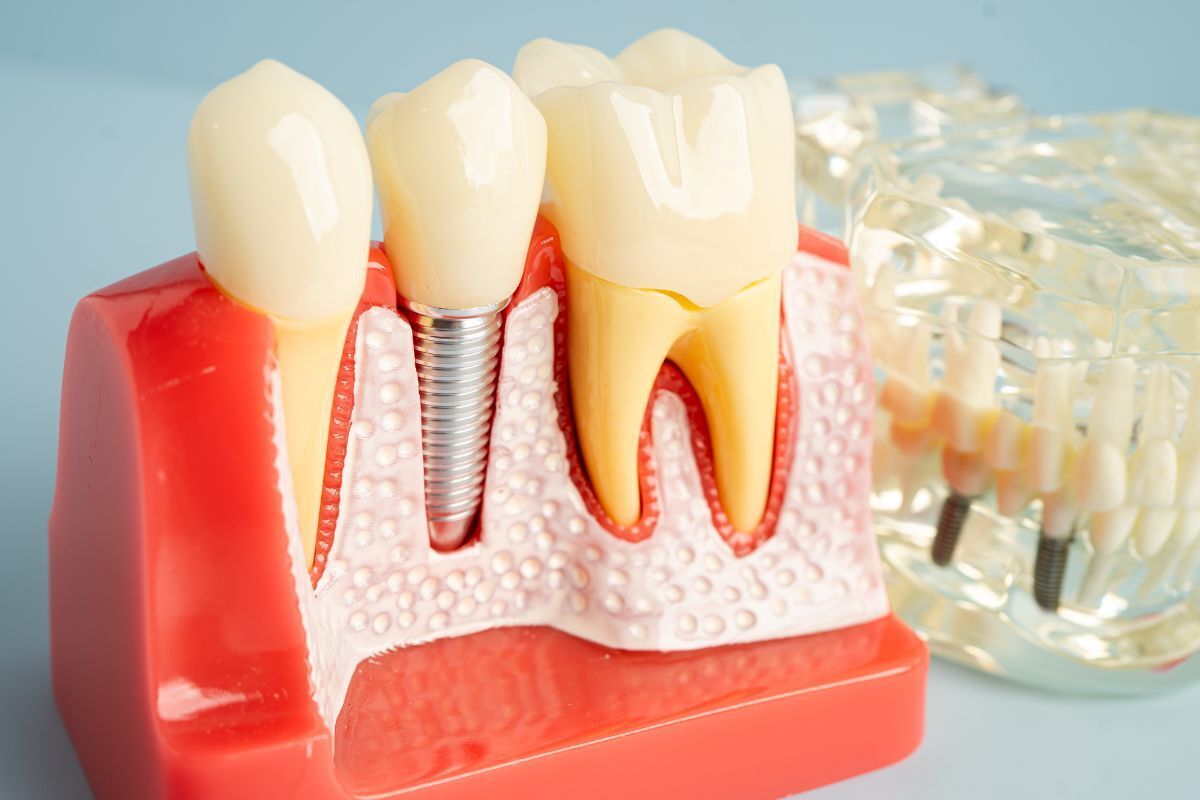
Dental implants involve surgery, healing, bone integration, and a final restoration. The clinician planning your treatment should understand how the gums, jawbone, implant, and replacement tooth work together.
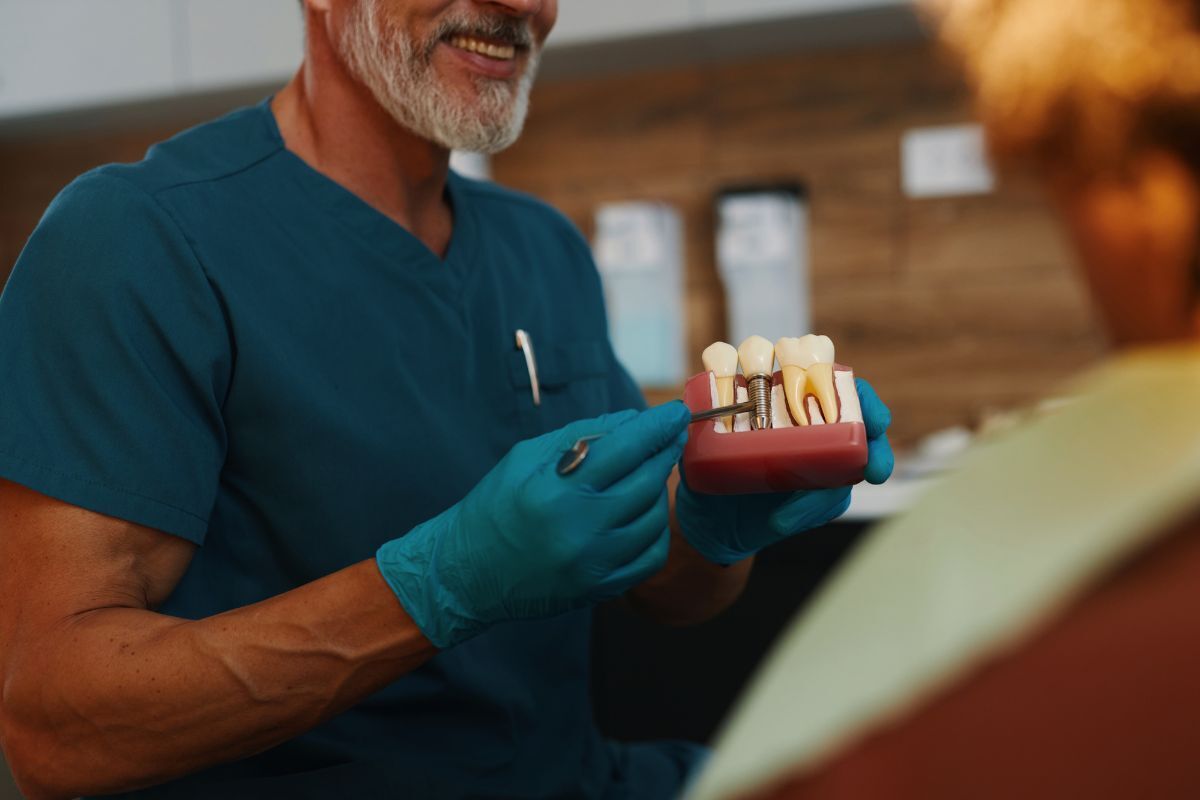
A consultation is your opportunity to find out how your treatment will be planned—and what happens if your mouth needs additional preparation.
1. What Training Does the Dentist Have?
Start with credentials and clinical training.
Periodontists specialize in the tissues surrounding and supporting teeth, including the gums and jawbone. The American Academy of Periodontology notes that periodontists receive additional specialized training beyond dental school and have particular expertise in dental implant treatment.
That expertise can be especially relevant when implant treatment involves:
- Bone loss
- Gum disease
- Gum recession
- Bone grafting
- Multiple missing teeth
- Complex implant placement
Ask the provider to explain their training and experience in implant surgery.
2. Who Will Evaluate Your Gum Health?
Implants need healthy supporting tissues.
If a patient has untreated periodontal disease, placing an implant without addressing the underlying infection may create an avoidable problem.
Peri-implant disease can cause inflammation around an implant and, in more advanced cases, loss of supporting bone. Previous periodontal disease is one recognized risk factor.
A comprehensive implant evaluation should therefore look beyond the missing tooth.
A Good Evaluation Looks at the Whole Mouth
Your provider may assess:
- Gum inflammation and pocket depths
- Existing periodontal disease
- Remaining teeth
- Bone volume
- Bite
- Oral hygiene
- Relevant medical history
That broader evaluation helps determine whether an implant is appropriate and whether other treatment should come first.
3. Will You Check My Bone Before Placement?
Bone is the foundation that supports the implant.
If a tooth has been missing for a long time, or if bone was damaged by periodontal disease or infection, the available bone may not be sufficient.
Three-dimensional imaging can help clinicians evaluate the jaw and surrounding anatomy when planning implant treatment.
If bone is inadequate, ask what alternatives exist.
Possible treatments include bone grafting, ridge augmentation, or sinus augmentation depending on the location and severity of bone loss.
4. What Are My Treatment Options?
A good consultation should not make you feel as though there is only one possible solution.
The ADA encourages patients to discuss the range of treatment options available based on their diagnosis and individual needs. Alternatives may include implants, bridges, crowns, dentures, or other prosthetic approaches.
For a single missing tooth, for example, an implant-supported crown may be considered.
For several missing teeth, an implant-supported bridge may be an option.
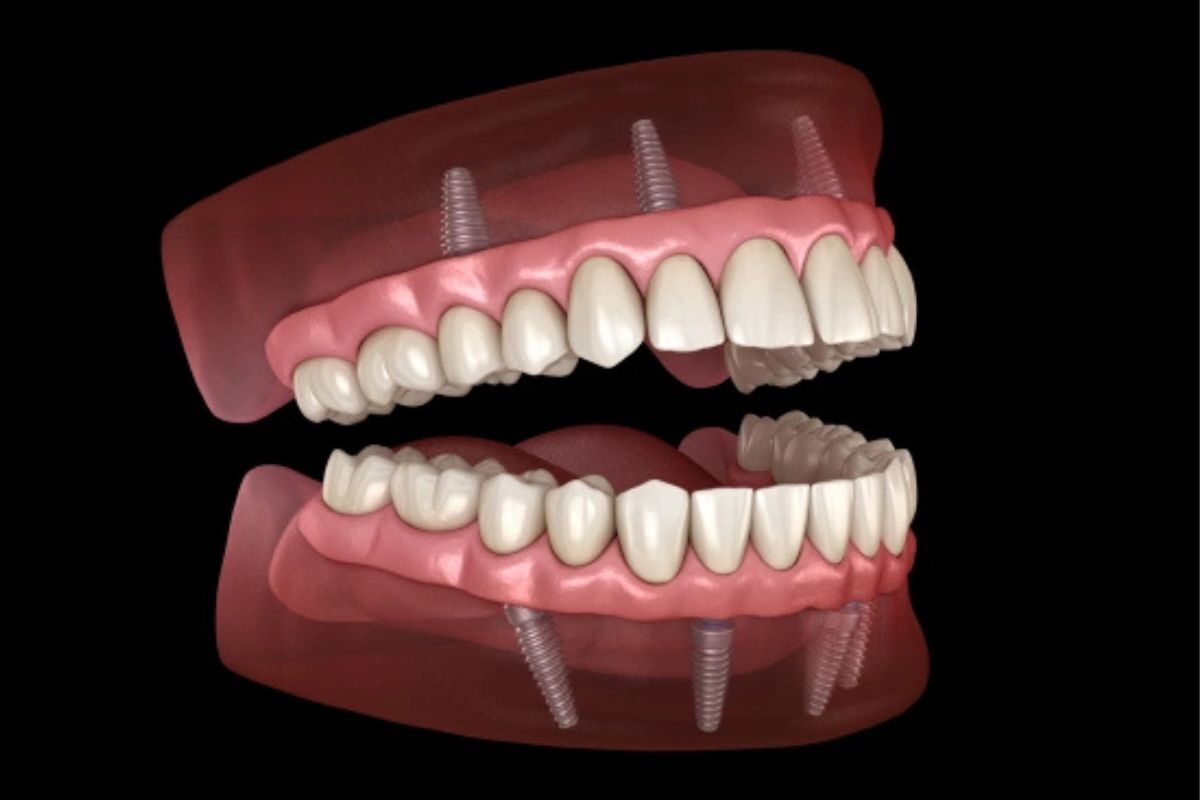
For a patient missing an entire arch, an overdenture or fixed full-arch restoration may be more appropriate.
The right choice depends on your mouth and priorities.
5. What Happens If I Need Bone Grafting?
Bone grafting is not necessarily a sign that implant treatment has failed before it begins.
It may simply mean that your jaw needs additional support before an implant can be placed predictably.
Ask:
- Why do I need the graft?
- What area will be treated?
- Can grafting and implant placement happen together?
- How long will healing take?
- What happens if I choose not to have the graft?
Understanding the reason behind a recommendation is just as important as understanding the procedure itself.
6. What Technology Do You Use for Implant Planning?
Technology should support clinical judgment—not replace it.
Digital imaging and other diagnostic tools can help evaluate bone, anatomy, and implant positioning. Cone-beam CT, for example, provides three-dimensional views that can assist with treatment planning.
At Tidewater Laser Perio & Implants, advanced computer technology is used as part of the practice’s approach to periodontal and implant care.
During your consultation, ask how technology will be used specifically in your case.
7. What Kind of Anesthesia or Sedation Is Available?
Dental surgery can make some patients nervous, especially when multiple procedures are involved.
Ask what comfort options are available and who administers anesthesia or sedation.
Tidewater Laser Perio & Implants provides several anesthesia options for periodontal procedures, including care involving a board-certified anesthesiologist for general anesthesia in appropriate cases.
Your medical history and procedure will determine which option is appropriate.
8. What Happens After the Implant Is Placed?
Implant treatment does not end when the implant is surgically placed.
The implant needs time to integrate with the surrounding bone. During this period, your provider monitors healing and determines when the implant is ready for its final restoration.
Ask who will handle each part of your treatment.
Depending on the case, implant surgery and final restoration may involve coordination between a periodontist, general dentist, prosthodontist, and dental laboratory.
Knowing who is responsible for each step can prevent confusion later.
9. How Will You Maintain My Implant Long Term?
This question is often overlooked.
Dental implants still need professional care. Plaque can accumulate around implant restorations, and inflammation can damage the tissues supporting an implant.
Ask about:
- Home-care instructions
- Professional implant maintenance
- Periodontal evaluations
- How often you will be monitored
- What symptoms should prompt a call
An implant is an investment. A long-term maintenance plan helps protect it.
Look for a Treatment Plan, Not a Sales Pitch
A strong implant consultation should leave you with more information—not more pressure.
You should understand:
- Why the implant is recommended
- What alternatives exist
- Whether your gums are healthy enough
- Whether you have sufficient bone
- Whether additional procedures are necessary
- What the healing process involves
- Who provides each stage of treatment
- How your implant will be maintained
The ADA specifically encourages patients to ask questions and seek a second opinion when they are uncomfortable with a recommendation.
Experience Matters When Treatment Gets Complex
Tidewater Laser Perio & Implants has provided periodontal and implant care in the Tidewater area since 1994.
Dr. Kenneth Cavallari completed advanced periodontal and implant training at the University of Alabama at Birmingham and became board-certified in periodontics in 2001. He was also recognized as a Diplomate of the American Academy of Periodontology and the International Congress of Oral Implantologists.
The practice provides dental implants alongside periodontal procedures such as gum disease treatment, bone grafting, gum grafting, LANAP® laser therapy, and All-on-4® treatment.
That breadth of periodontal services can be useful for patients whose implant treatment requires more than straightforward placement.
Your Consultation Should Answer the Important Questions
Finding an implants dentist in Virginia Beach should begin with clinical questions, not just cost comparisons.
You deserve to understand your diagnosis, your options, the risks and benefits, and what will be required to care for your new implant over time.
If you are considering dental implants in Virginia Beach, schedule a consultation with Tidewater Laser Perio & Implants to discuss your individual situation and treatment options.
FAQs
What should I look for in an implants dentist?
Consider advanced training, implant experience, periodontal expertise, diagnostic technology, anesthesia options, communication, and the availability of long-term maintenance.
Should a periodontist place dental implants?
A periodontist receives specialized training in the gums, jawbone, and supporting structures of the teeth and may be particularly qualified to manage implant cases involving periodontal disease or bone loss.
Should I get a second opinion before dental implant treatment?
A second opinion can be reasonable, especially when treatment is complex or you are unsure about your options. The ADA encourages patients to ask questions and seek another opinion when appropriate.
What questions should I ask at an implant consultation?
Ask about your diagnosis, treatment alternatives, bone availability, gum health, implant type, anesthesia, healing, restoration, costs, risks, and long-term maintenance.
How long do dental implants take to heal?
Healing varies by patient and procedure. The implant generally needs time to integrate with the jawbone before the final restoration is completed.

We’re Here to Help!
Call us with any questions or to request an appointment.
