
Towne Bank Building, 984 First Colonial Rd Ste 300 Virginia Beach, VA 23454
Virginia Beach Dental Implants: What to Expect From Consultation to Your New Smile

Choosing to replace a missing tooth is a significant step toward improving your oral health and confidence. If you’re considering Virginia Beach dental implants, understanding the treatment process can help you feel more comfortable and prepared.
Unlike removable tooth replacement options, dental implants are designed to become a stable part of your smile. Every treatment plan is personalized, but most patients follow a similar journey—from the initial consultation through healing and the placement of the final restoration.
Here’s what you can expect at each stage of the process.
Why Dental Implants Are Considered the Gold Standard
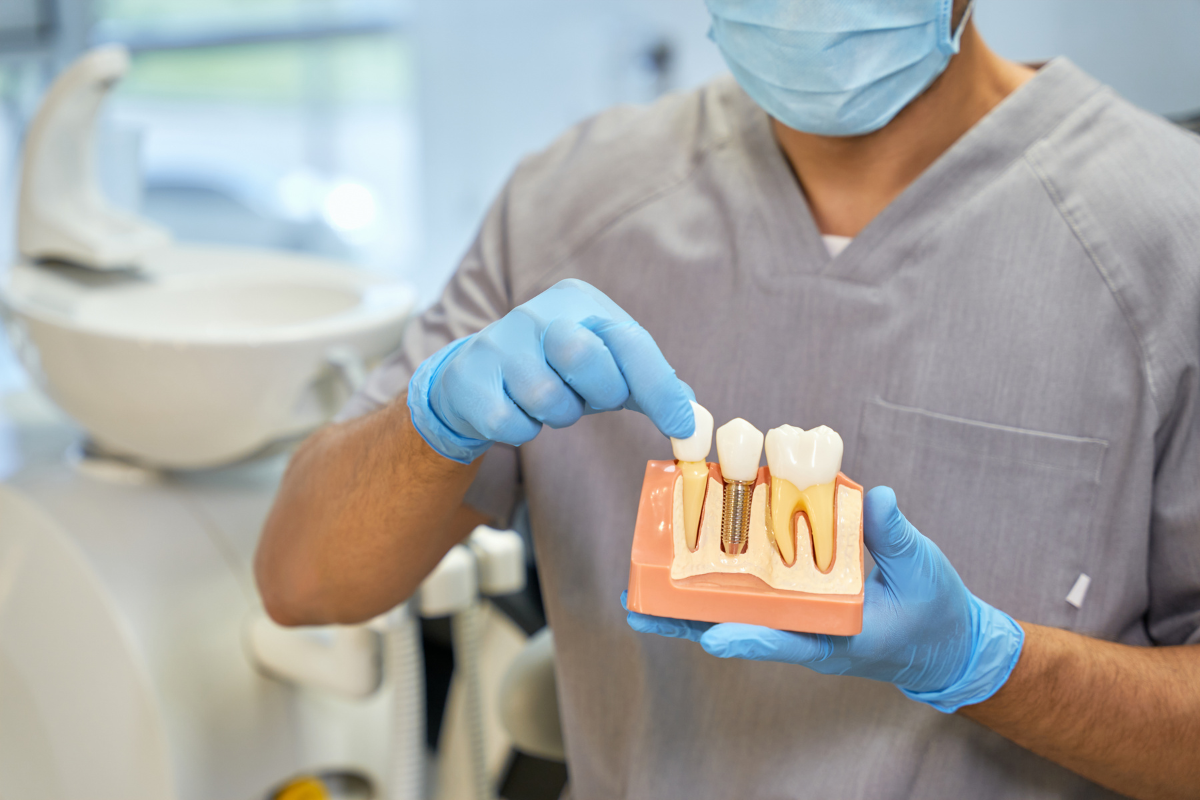
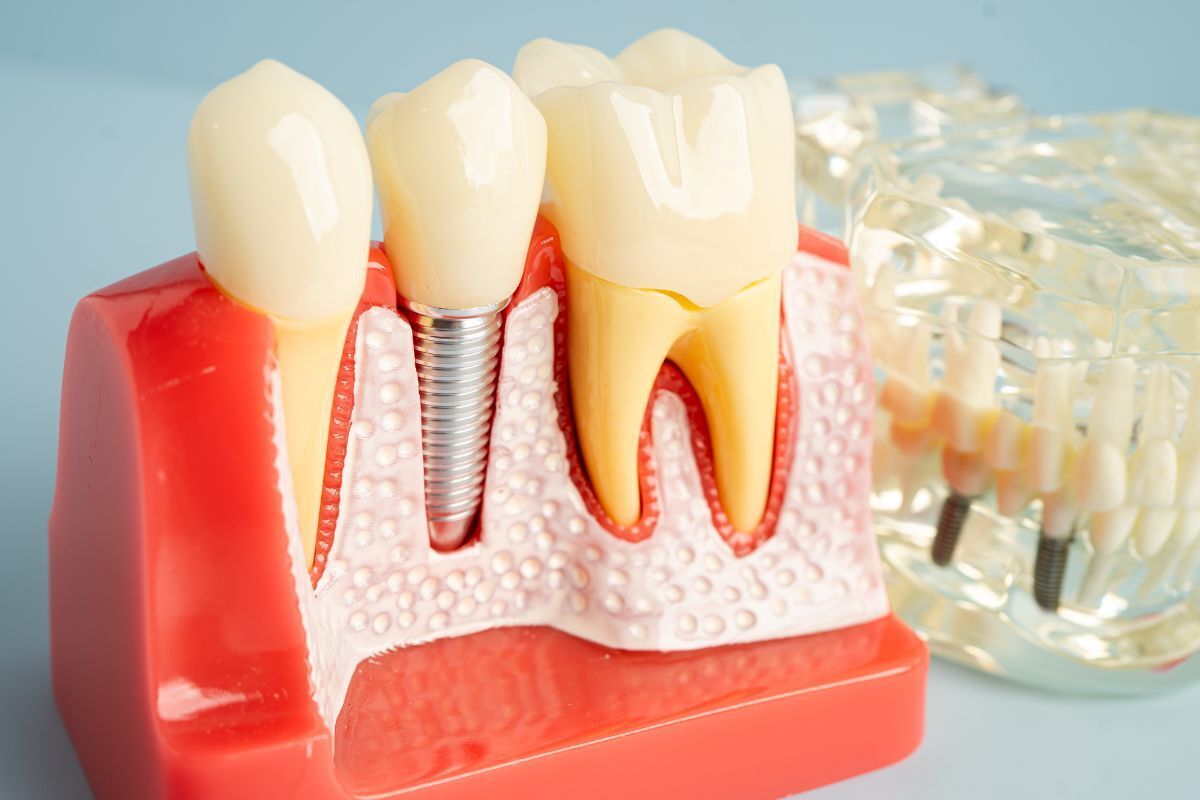
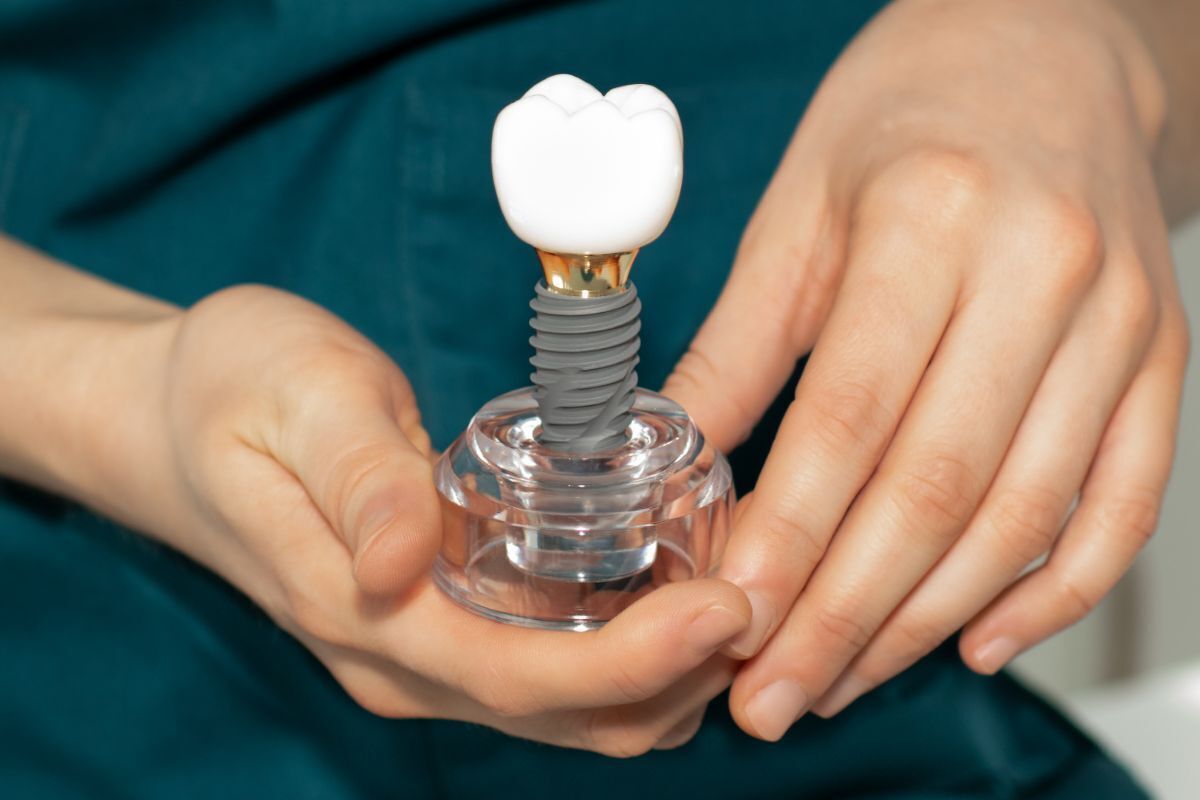
Dental implants replace both the visible portion of a tooth and its root. The implant post fuses with your jawbone, creating a secure foundation for a custom dental crown, bridge, or denture.
Compared to traditional tooth replacement options, dental implants can help:
- Restore natural chewing ability
- Maintain facial structure
- Prevent jawbone deterioration
- Keep neighboring teeth from shifting
- Improve speech
- Deliver a natural-looking smile
Because implants integrate with the jawbone, they offer stability that removable appliances cannot provide.
Step 1: Your Initial Consultation
Every successful implant treatment begins with a comprehensive evaluation.
During your consultation, your periodontist will assess your:
- Medical history
- Dental history
- Gum health
- Bite alignment
- Bone quality
- Missing teeth
- Cosmetic goals
Digital X-rays and three-dimensional CBCT imaging provide detailed information about your jawbone and surrounding structures.
This evaluation helps determine whether dental implants are the best solution for your needs.
Questions You Can Expect During Your Visit
Your provider may ask:
- How long has the tooth been missing?
- Have you experienced bone loss?
- Do you smoke or use tobacco products?
- Have you been treated for gum disease?
- Do you have any medical conditions that affect healing?
Honest answers allow your dental team to create the safest and most effective treatment plan.
Step 2: Personalized Treatment Planning
No two implant cases are identical.
After reviewing your records, your provider develops a customized treatment plan based on your oral health and long-term goals.
Your treatment may involve:
Replacing a Single Tooth
A single implant supports one custom-made crown without affecting adjacent healthy teeth.
Replacing Multiple Teeth
Several implants can support bridges that replace multiple missing teeth.
Full-Arch Tooth Replacement
Patients missing all upper or lower teeth may qualify for implant-supported dentures that offer greater stability than traditional removable dentures.
A personalized approach helps ensure your new smile functions comfortably and looks natural.
Step 3: Preparing for Implant Placement
Some patients are ready for implant surgery immediately, while others may need preparatory treatment.
Depending on your needs, your provider may recommend:
Treating Gum Disease
Healthy gums are essential for successful implant healing. If periodontal disease is present, treatment should be completed before implant placement.
Bone Grafting
When bone loss has occurred after tooth loss, a bone graft may rebuild enough support for an implant.
Bone grafting often expands treatment options for patients who were previously told they were not candidates.
Step 4: Dental Implant Placement
Implant placement is performed using local anesthesia, and sedation options may also be available for eligible patients.
During the procedure, the titanium implant is carefully positioned within the jawbone according to your customized surgical plan.
Most patients describe the experience as easier than they expected, with mild discomfort that can usually be managed using prescribed or over-the-counter medication.
Before leaving, you’ll receive detailed instructions for caring for the surgical area.
Step 5: Healing and Osseointegration
One of the most important stages of implant treatment happens after surgery.
Over the next several months, the implant gradually bonds with the surrounding jawbone through a natural process called osseointegration.
This creates the stable foundation needed to support your final restoration.
During healing, it’s important to:
- Follow all post-operative instructions
- Eat softer foods as recommended
- Brush carefully around the surgical area
- Attend scheduled follow-up appointments
- Avoid smoking or tobacco products
These steps support healthy healing and reduce the risk of complications.
Step 6: Attaching Your Final Restoration
Once healing is complete, your restorative dentist places the final prosthetic restoration.
Depending on your treatment plan, this may include:
- A dental crown
- A dental bridge
- An implant-supported denture
Each restoration is custom-designed to match the shape, color, and appearance of your natural teeth, helping your smile look seamless.
Life After Dental Implants
One of the greatest benefits of Virginia Beach dental implants is how naturally they fit into everyday life.
Most patients quickly return to enjoying:
- Fresh fruits and vegetables
- Steak and other chewy foods
- Clear speech
- Smiling confidently in photos
- Comfortable eating at restaurants
- Social events without worrying about slipping dentures
Unlike removable appliances, implants stay securely in place during daily activities.
How to Care for Your Dental Implants
Dental implants require many of the same healthy habits as natural teeth.
To keep them functioning well for years:
- Brush twice each day with a soft-bristled toothbrush.
- Clean between implants using floss or interdental brushes.
- Visit your dental office for regular professional cleanings.
- Wear a nightguard if you grind or clench your teeth.
- Maintain healthy gums by following your periodontist’s recommendations.
Routine maintenance helps protect both the implant and the surrounding bone.
Why Choosing a Local Implant Provider Matters
Receiving implant care close to home offers important long-term advantages.
A local Virginia Beach periodontal practice allows for:
- Convenient follow-up visits
- Ongoing implant maintenance
- Faster care if concerns arise
- Better communication between your periodontist and general dentist
- Personalized care from a team that understands your dental history
Building an ongoing relationship with your provider supports long-term implant success.
Comprehensive Implant Care Under One Roof
Dental implants involve more than surgery alone. Healthy gums, strong bone support, and consistent maintenance all contribute to lasting results.
Patients seeking comprehensive care can benefit from Tidewater Laser Perio and Implants Services, where advanced periodontal treatment and implant therapy work together to support healthy, confident smiles.
Receiving coordinated care in one practice can simplify treatment while improving continuity throughout your implant journey.
Why Virginia Beach Patients Trust Dental Implants
Dental implants continue to be one of the most predictable and effective ways to replace missing teeth.
When carefully planned and maintained, they can:
- Restore everyday comfort
- Improve chewing efficiency
- Help preserve jawbone health
- Enhance facial appearance
- Support long-term oral health
- Increase confidence when speaking and smiling
Choosing an experienced periodontal team ensures your treatment is based on your unique needs—not a one-size-fits-all approach.
Schedule Your Virginia Beach Dental Implant Consultation
If you’re ready to explore Virginia Beach dental implants, the first step is scheduling a comprehensive consultation.
Dr. Cavallari and the team take time to understand your goals, evaluate your oral health, and recommend personalized treatment options designed for long-term success. Whether you’re replacing one missing tooth or restoring multiple teeth, you’ll receive compassionate care focused on lasting function, comfort, and aesthetics.
Contact the office today to schedule your consultation and begin your journey toward a healthier, more complete smile.
FAQs
Am I too old for dental implants?
Age alone does not determine implant eligibility. Many healthy adults in their 60s, 70s, and even 80s successfully receive dental implants. Your overall health and jawbone condition are more important factors.
How long does the entire dental implant process take?
The timeline varies depending on your individual needs. Some patients complete treatment in a few months, while those requiring bone grafting or additional procedures may need more time for proper healing.
Will people be able to tell I have dental implants?
No. Implant-supported crowns, bridges, and dentures are custom-designed to blend naturally with your surrounding teeth, making them difficult to distinguish from natural teeth.
What happens if I don’t replace a missing tooth?
Leaving a missing tooth untreated can lead to bone loss, shifting teeth, bite changes, and additional oral health concerns over time. Dental implants help preserve the jawbone and maintain proper tooth alignment.
How successful are dental implants?
Dental implants have a high long-term success rate when placed by experienced providers and supported by good oral hygiene, healthy gums, and regular professional care.

We’re Here to Help!
Call us with any questions or to request an appointment.
