Towne Bank Building, 984 First Colonial Rd Ste 300 Virginia Beach, VA 23454
Full Mouth Dental Implants in Virginia Beach: How to Choose the Right Treatment Option

Losing most or all of your teeth can affect much more than your smile. Eating may become frustrating, dentures may feel unstable, and everyday activities such as speaking or laughing can become less comfortable.
For patients considering full mouth dental implants in Virginia Beach, the biggest question is often not simply whether implants work. It is which type of implant-supported restoration makes sense for their mouth, bone structure, health, lifestyle, and goals.
Full-mouth treatment is not one-size-fits-all. A periodontist evaluates the condition of your gums and jawbone, the number of teeth that need to be replaced, and the type of restoration that can provide dependable function.
What Are Full Mouth Dental Implants?
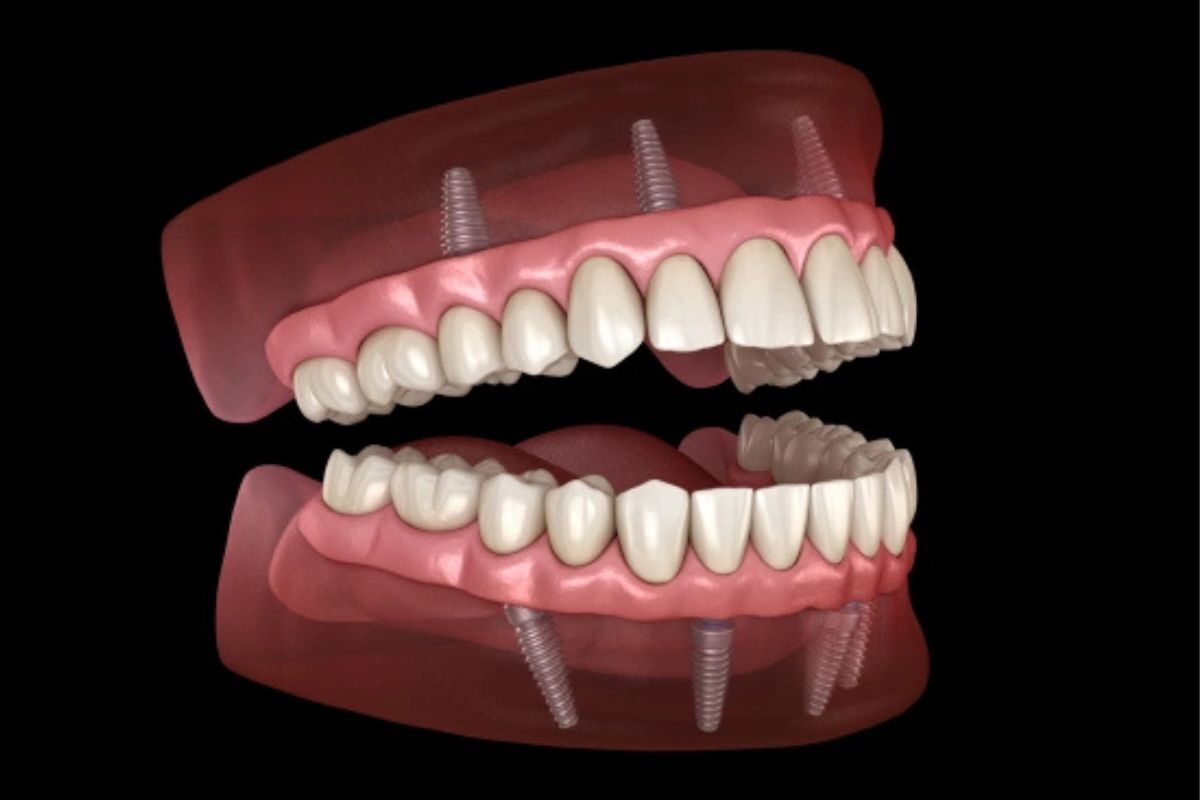
Full mouth dental implants replace an entire arch of missing or failing teeth using dental implants as a foundation for replacement teeth.
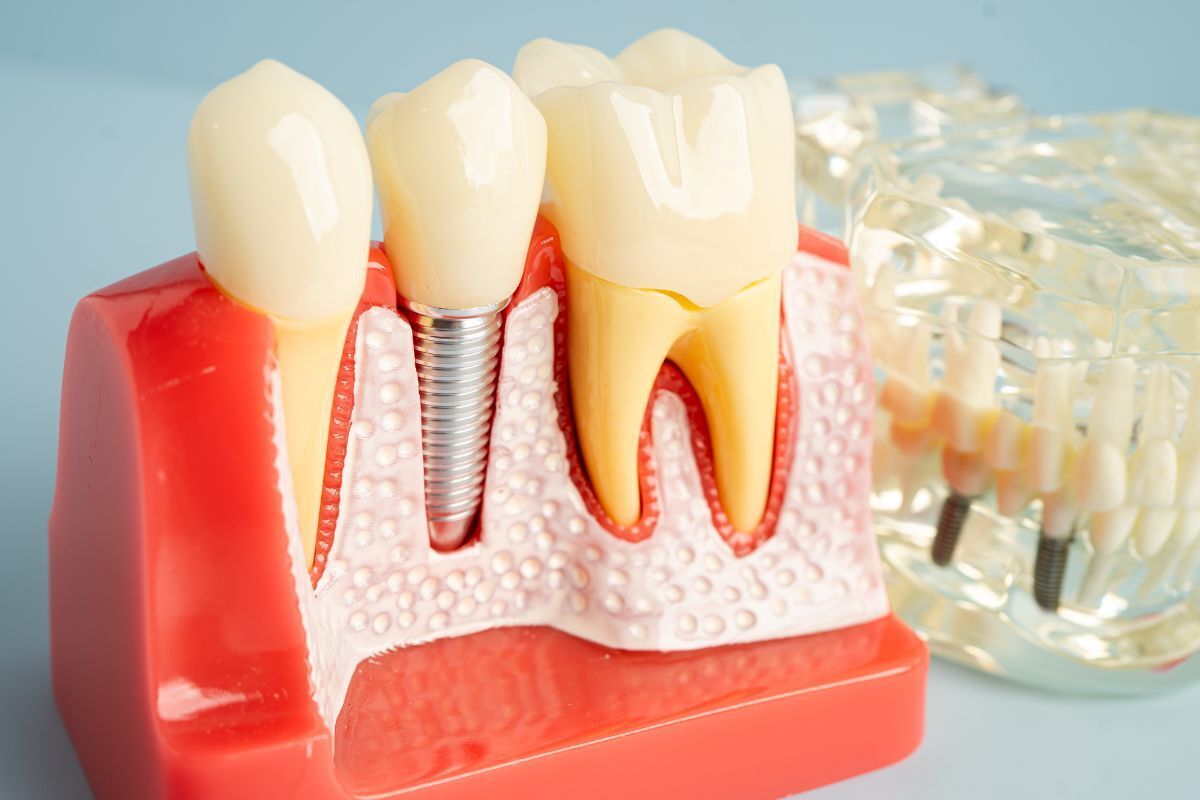
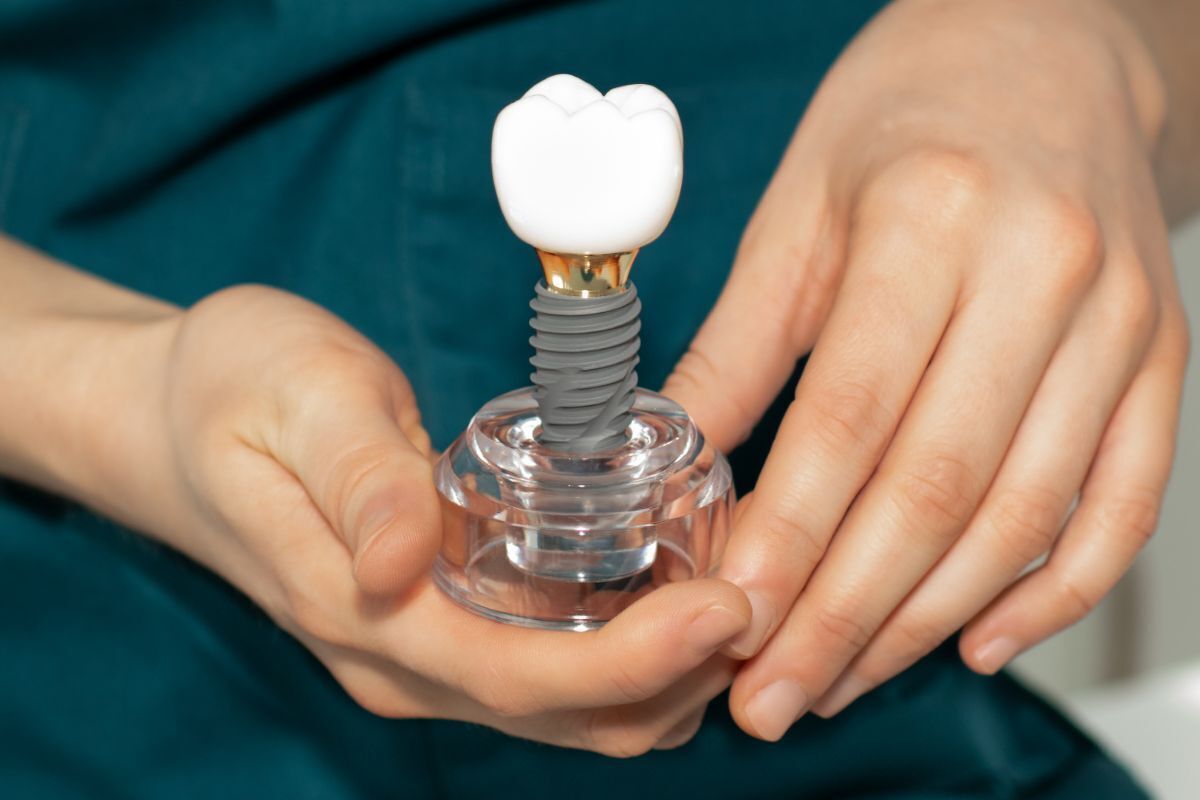
A dental implant acts as an artificial tooth root. After it integrates with the surrounding jawbone, it can support a crown, bridge, overdenture, or fixed full-arch restoration.
Depending on your anatomy and treatment plan, full-mouth replacement may involve:
- Implant-supported removable dentures
- Implant-retained overdentures
- Fixed implant-supported bridges
- Individual implant-supported crowns
- Full-arch treatment concepts such as All-on-4®
The right choice depends on your clinical situation rather than simply selecting the option with the most implants.
Why Jawbone Health Matters
One of the most important considerations in full-mouth implant planning is the condition of the jawbone.
Natural tooth roots stimulate the surrounding bone. After teeth are lost, the bone in those areas can gradually deteriorate. Dental implants can help preserve bone because they replace the function of tooth roots.
However, patients who have worn dentures for many years or lost teeth because of periodontal disease may have experienced significant bone loss.
That does not automatically rule out implants.
What Happens If You Don’t Have Enough Bone?
Your treatment plan may include a bone-building procedure before or during implant placement.
Depending on the location and amount of bone available, procedures can include:
- Bone grafting
- Ridge augmentation
- Guided bone and tissue regeneration
- Sinus augmentation for certain upper-jaw cases
A sinus augmentation, for example, can create additional bone in the upper back jaw when the available bone is limited by the nearby sinus.
The goal is not to force an implant into inadequate bone. The goal is to create a stable biological foundation for long-term treatment.
Which Full-Mouth Implant Option Is Right for You?
There are several ways to replace an entire arch, and each has different advantages.
Implant-Supported Overdentures
An overdenture is removable but attaches securely to dental implants.
Compared with a conventional denture, implant support can significantly improve stability. The prosthesis can still be removed for cleaning, which may appeal to patients who prefer easier access to the underlying tissues.
Fixed Full-Arch Restoration
A fixed restoration is attached to dental implants and is not removed by the patient during normal daily use.
This option can be appealing to patients who want teeth that feel more like a permanent part of their mouth. However, fixed does not mean maintenance-free. Cleaning beneath and around the restoration is still essential.
Individual Implant-Supported Teeth
Some patients may be candidates for replacing individual teeth with separate implants and crowns.
This approach can provide a very natural appearance, but it generally requires more implants and more individual restorations. The available bone, spacing, anatomy, and overall treatment goals all influence whether it is appropriate.
All-on-4® Treatment
An All-on-4® treatment concept uses four implants to support a full arch of replacement teeth in appropriate patients. Tidewater Laser Perio & Implants also provides All-on-4® treatment as one of its implant services.
The important point is that a specific number of implants should never be assumed to be right for every patient. Your anatomy determines what can be done safely and predictably.
Who May Be a Candidate?
There is no single age cutoff for dental implants.
Instead, candidacy is influenced by oral health, general health, bone availability, gum health, and the ability to maintain the restoration after treatment. The American Academy of Periodontology identifies adequate supporting bone and healthy periodontal tissues as important factors in implant treatment.
Your evaluation may pay particular attention to:
- Existing periodontal disease
- Jawbone volume and density
- Remaining teeth
- Bite and jaw relationships
- Tobacco use
- Medical conditions that may affect healing
- Oral hygiene habits
- Your expectations and preferences
Patients with gum disease need particular attention because bacteria and inflammation around implants can contribute to peri-implant disease and supporting bone loss.
What Does Recovery Look Like?
Implant treatment involves a healing period because the implant needs time to integrate with the jawbone.
The biological process is called osseointegration. Depending on the procedure and individual healing, integration can take several months.
Your recovery plan may include:
- A temporary or healing prosthesis
- A soft-food diet for an initial period
- Scheduled follow-up visits
- Detailed oral hygiene instructions
- Monitoring of the gums and implant sites
Recovery is highly individual. A straightforward implant placement and a complex full-mouth reconstruction should not be expected to follow exactly the same timeline.
Full-Mouth Implants Require Long-Term Maintenance
Getting your new teeth is only part of the process.
Implants are not immune to inflammation or infection. Plaque can accumulate around implant restorations, and peri-implant disease can affect the tissues and bone supporting an implant.
Long-term care may include:
- Daily brushing
- Specialized floss or implant-cleaning tools
- Professional periodontal maintenance
- Routine implant evaluations
- Monitoring for changes in gum tissue or bone
Patients who have a history of periodontal disease should be especially consistent with maintenance.
Why Consider a Virginia Beach Periodontal Implant Specialist?
Full-mouth implant treatment involves both soft tissue and hard tissue considerations. That makes periodontal expertise particularly relevant when significant gum disease, bone loss, or complex implant planning is involved.
Dr. Kenneth Cavallari has practiced periodontics and dental implants in the Tidewater area since 1994 and completed a two-year periodontal and implant residency at the University of Alabama at Birmingham. He is also a Diplomate of the American Academy of Periodontology.
At Tidewater Laser Perio & Implants in Virginia Beach, treatment options include dental implants, bone grafting, All-on-4®, gum disease treatment, LANAP® laser periodontal therapy, and other periodontal procedures.
That combination can be valuable when a patient needs more than simply an implant placed into healthy bone.
A Better Starting Point for Full-Mouth Treatment
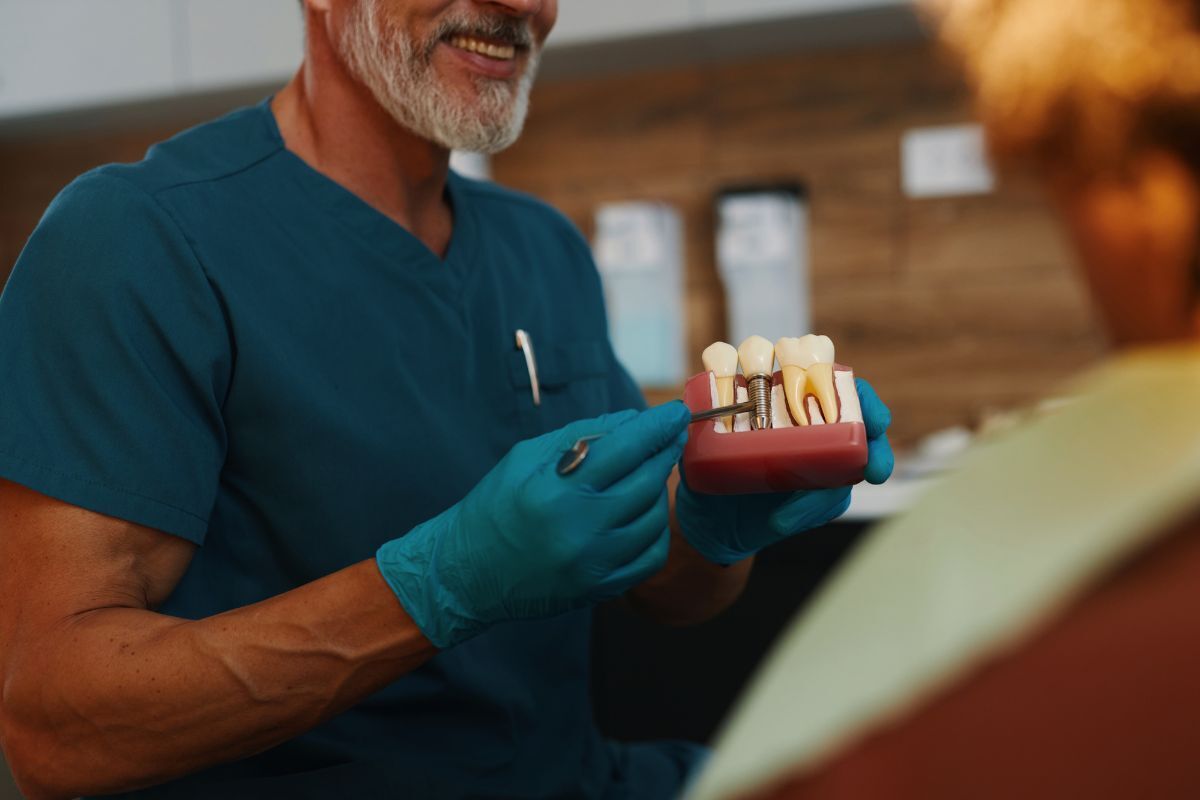
If you are missing most or all of your teeth, you do not have to decide between dentures and implants on your own.
A comprehensive examination can determine whether implants are appropriate, whether bone or gum treatment is needed first, and which restoration best fits your needs.
For patients researching full mouth dental implants in Virginia Beach, the most useful next step is a personalized evaluation—not a generic treatment package.
Tidewater Laser Perio & Implants serves patients throughout Virginia Beach and Hampton Roads. Schedule an implant consultation to discuss your bone health, treatment options, and long-term goals.
FAQs
How many implants are needed for a full mouth?
The number varies based on the restoration, jaw anatomy, available bone, and treatment plan. Some full-arch restorations can be supported by four implants, while other approaches require more.
Are full mouth dental implants removable?
Some implant-supported restorations, such as overdentures, are removable by the patient. Fixed full-arch restorations are designed to remain attached to the implants and are typically removed only by a dental professional for maintenance.
Can I get implants if I have bone loss?
Possibly. Bone grafting, ridge augmentation, or other procedures may be recommended when there is not enough bone for predictable implant placement.
How long do full-mouth dental implants take?
Treatment time varies considerably. Some patients require extractions or bone grafting before implants, while others may proceed more directly. Healing and osseointegration can take several months.
How do I care for full-mouth dental implants?
Implants require daily cleaning and professional follow-up. Your dentist or periodontist can recommend the appropriate brushes, flossing aids, and maintenance schedule for your restoration.
We’re Here to Help!
Call us with any questions or to request an appointment.
